Wild Yeast Starter Types Explained
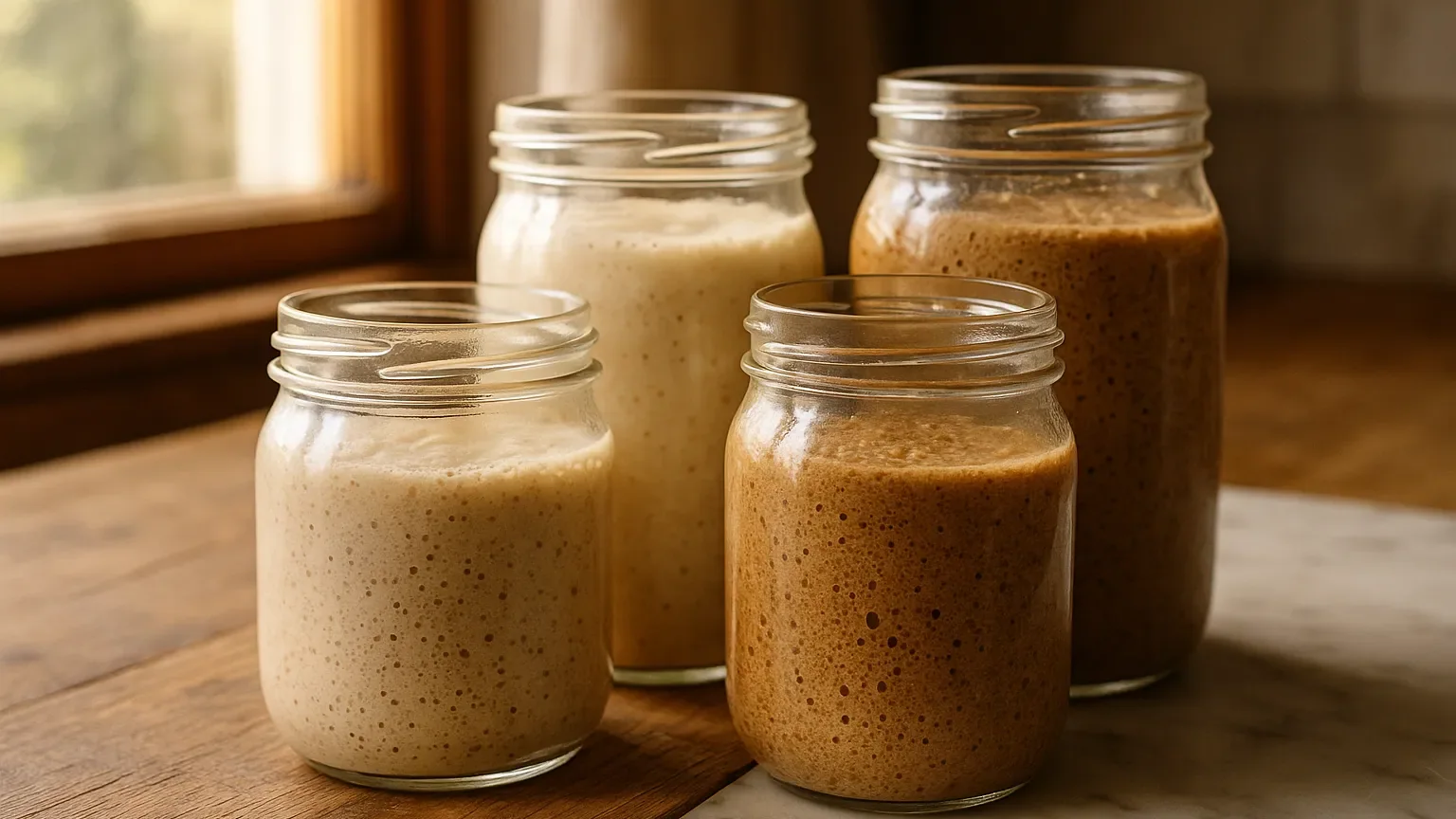
Two starters can use the same flour and still bake very different loaves. Rye, whole wheat, and all-purpose flour each affect flavor and fermentation speed. Each wild yeast starter also develops at its own pace. Bubba Goodcrumb, based in Las Vegas, NV, cultivates starters with natural yeast and lactic acid bacteria. Daily feeding for seven days helps build reliable rising power and a pleasant tang.
Most starters contain yeast from the Saccharomyces or Candida genera. They also contain bacteria such as Lactobacillus. Together, these microbes ferment flour and water. A wild yeast starter can reflect both its ingredients and its surroundings. Bubba Goodcrumb tests its starters in a Las Vegas, NV, US kitchen for a distinct local character.
Flour, water, and airborne microbes all shape a starter. They can create flavors that range from mild to sharply tangy. Bubba Goodcrumb's Classic Bubba Starter offers a mild and flexible culture. It contains Saccharomyces yeast and Lactobacillus bacteria. After feeding, it can be ready to bake within 24 hours. Explore different starter personalities as your baking skills grow.
Key Takeaways
Sourdough starters contain wild yeast and lactic acid bacteria.
Local flour, water, and air can affect the microbes in a starter.
DNA studies have found many types of microbes in starters worldwide.
Some bakers cover a flour-and-water mix with cheesecloth for 24 hours outdoors.
A wild yeast starter needs regular feeding to stay active.
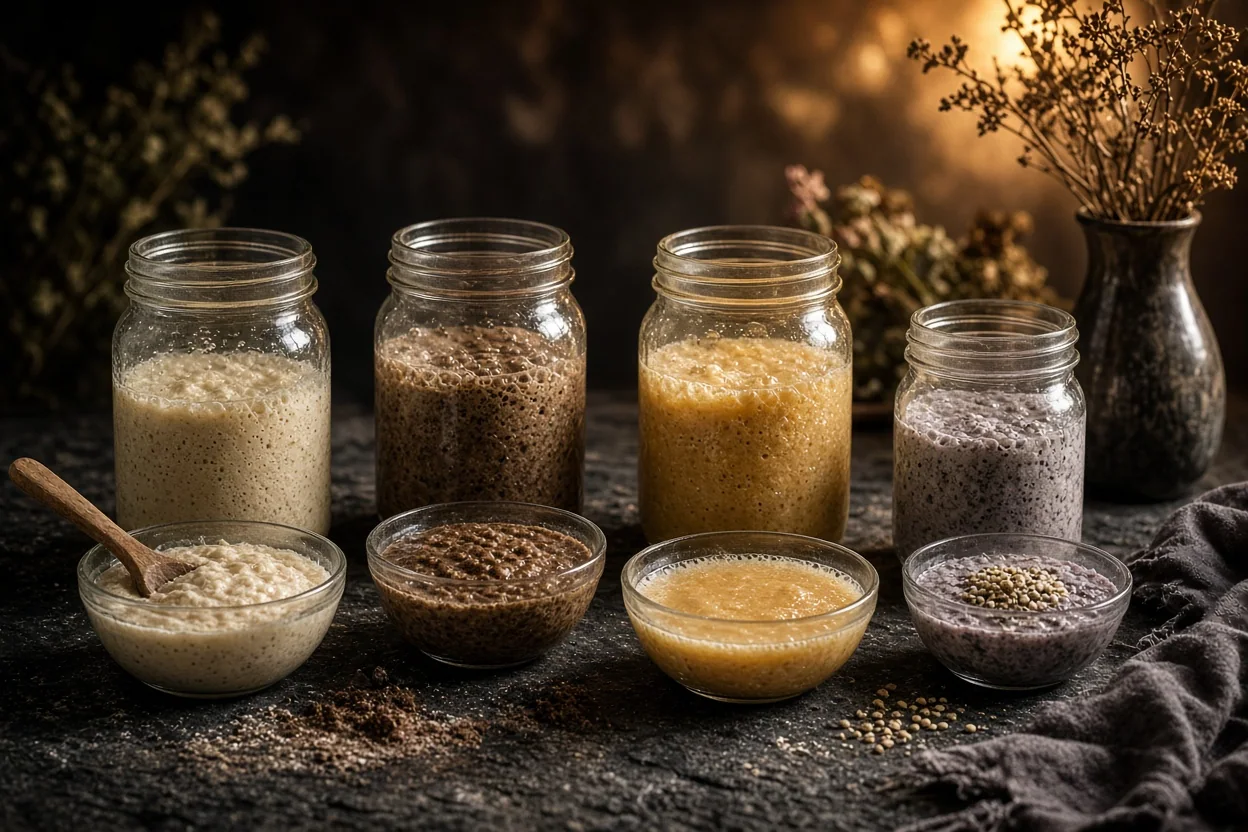
A wild yeast starter is a living culture of yeast and bacteria. It grows in a mix of flour and water. Without regular care, it can become dormant or die. The bubbles in the jar show that the microbes are active. Knowing this helps home bakers solve problems before they ruin a loaf.
Two groups of microbes do most of the work. Yeast creates the gas that helps dough rise. Bacteria create acids that add flavor. Many strains can live in the same starter. The mix may differ from one kitchen or climate to another.
Roles of Each Microbe
Yeast creates carbon dioxide. Gluten traps this gas and gives bread an open crumb. Lactobacillus creates lactic and acetic acids. These acids give sourdough its tang. In a wild yeast starter, the balance between yeast and bacteria affects both flavor and rise.
Starter Microbial Mixes Vary
No two starters are exactly alike. This can happen even when bakers use the same flour and water ratio. The strains in the flour, air, and kitchen all play a part. Over time, each culture develops its own traits.
Bubba Goodcrumb's flagship levain starter follows this same living process. Careful cultivation creates a mild culture with a gentle tang. It suits both new and experienced bakers. With proper feeding, it can be ready to bake within 24 hours.
Here is a quick guide to the main microbes:
Component | Typical Genus | Primary Role |
|---|---|---|
Yeast | Saccharomyces or Candida | Leavening and gas production |
Bacteria | Lactobacillus | Acid production and flavor |
This partnership makes a bubbling jar easier to understand and manage.
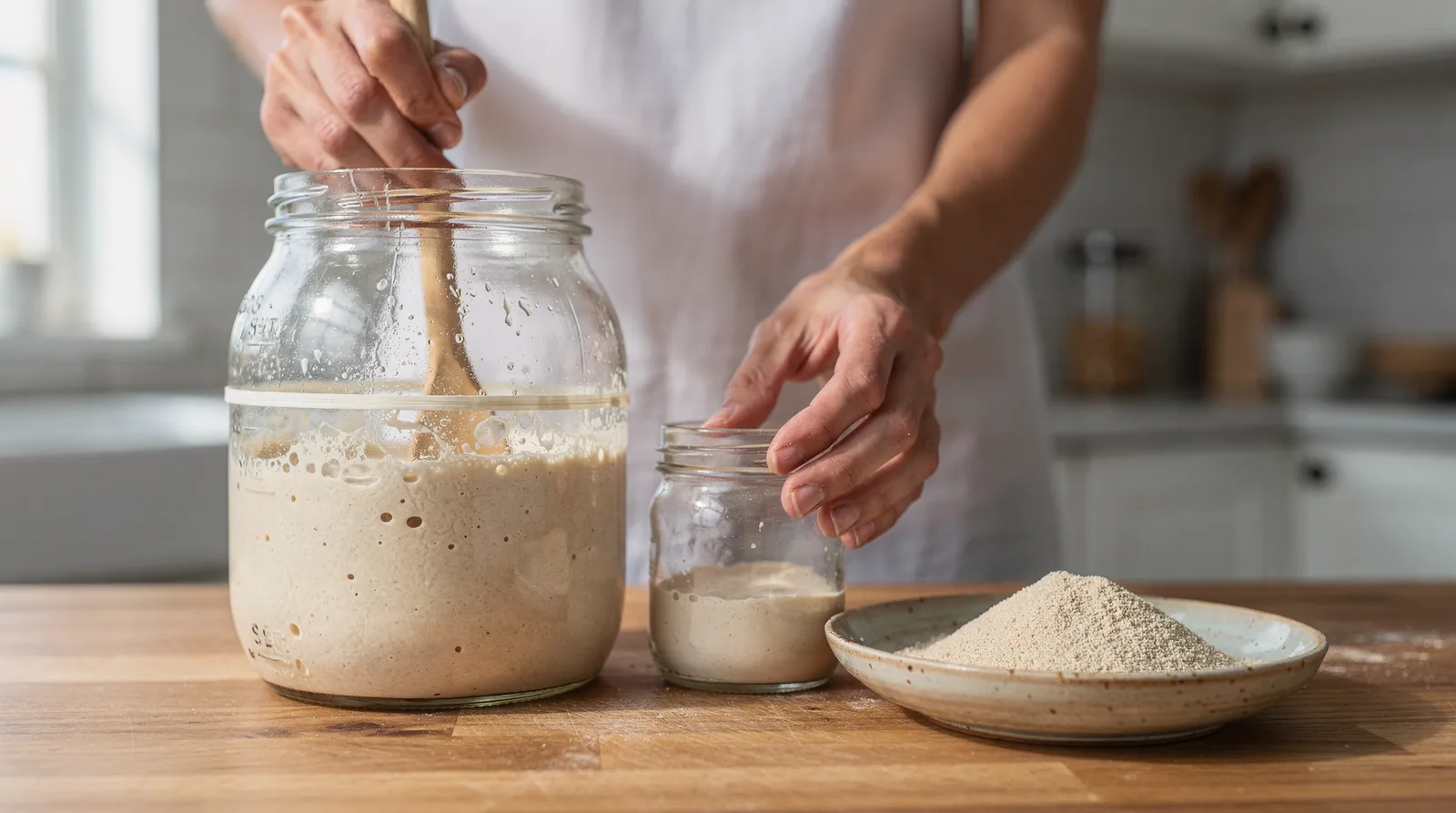
Wild Yeast Compared With Commercial Yeast
Wild yeast and commercial yeast differ in source, speed, and flavor. A wild yeast starter gets its microbes from flour, grain, and the surrounding environment. Commercial yeast comes from a prepared packet. This difference affects how quickly dough rises and how it tastes.
Traditional sourdough uses wild yeast for its rise and tang. Slow fermentation can also affect the bread's texture and flavor. Commercial yeast offers speed and steady results. It does not create the same type of long fermentation.
Where Does Wild Yeast Actually Come From?
Wild yeast comes from the natural environment. Flour and grain carry their own microbes. The surrounding air can add more. Bakers who create a levain starter at home capture part of the microbial life in their kitchen.
For much of baking history, wild yeast was the main way to raise bread. Manufactured yeast became available much later. Earlier bakers depended on the wild microbes in their flour and dough.
Both types of yeast perform the same basic job:
Function | Wild Yeast | Commercial Yeast |
|---|---|---|
Source | Air and grain | Manufactured packet |
Fermentation speed | Slow and complex | Fast and uniform |
Flavor contribution | Tangy and layered | More neutral |
Leavening method | Converts carbs to CO2 and alcohol | Converts carbs to CO2 and alcohol |
Why Does This Matter for a Local Sourdough Culture?
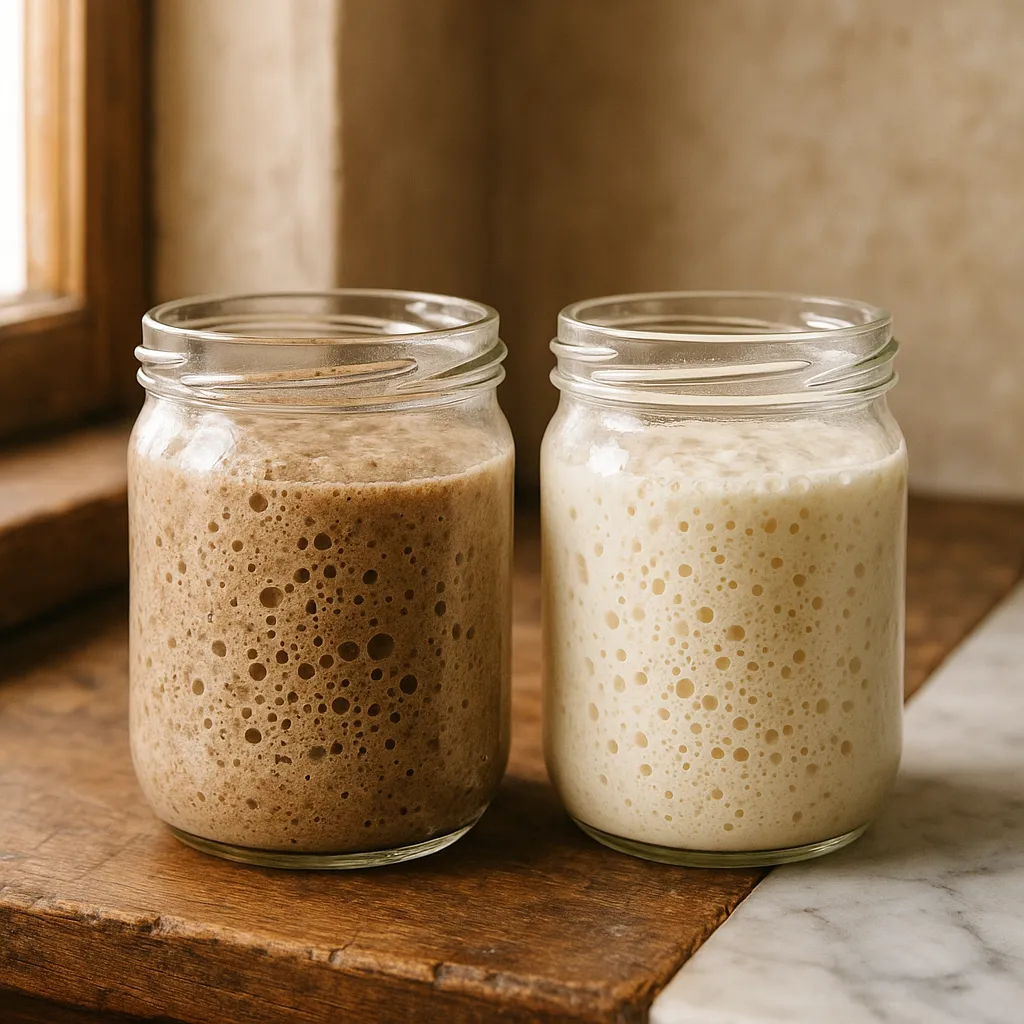
Location can affect flavor. A local sourdough culture grows with the microbes found in its flour, water, and air. That may help explain why starters from different cities can taste different.
Yeast Strains Found in Starters
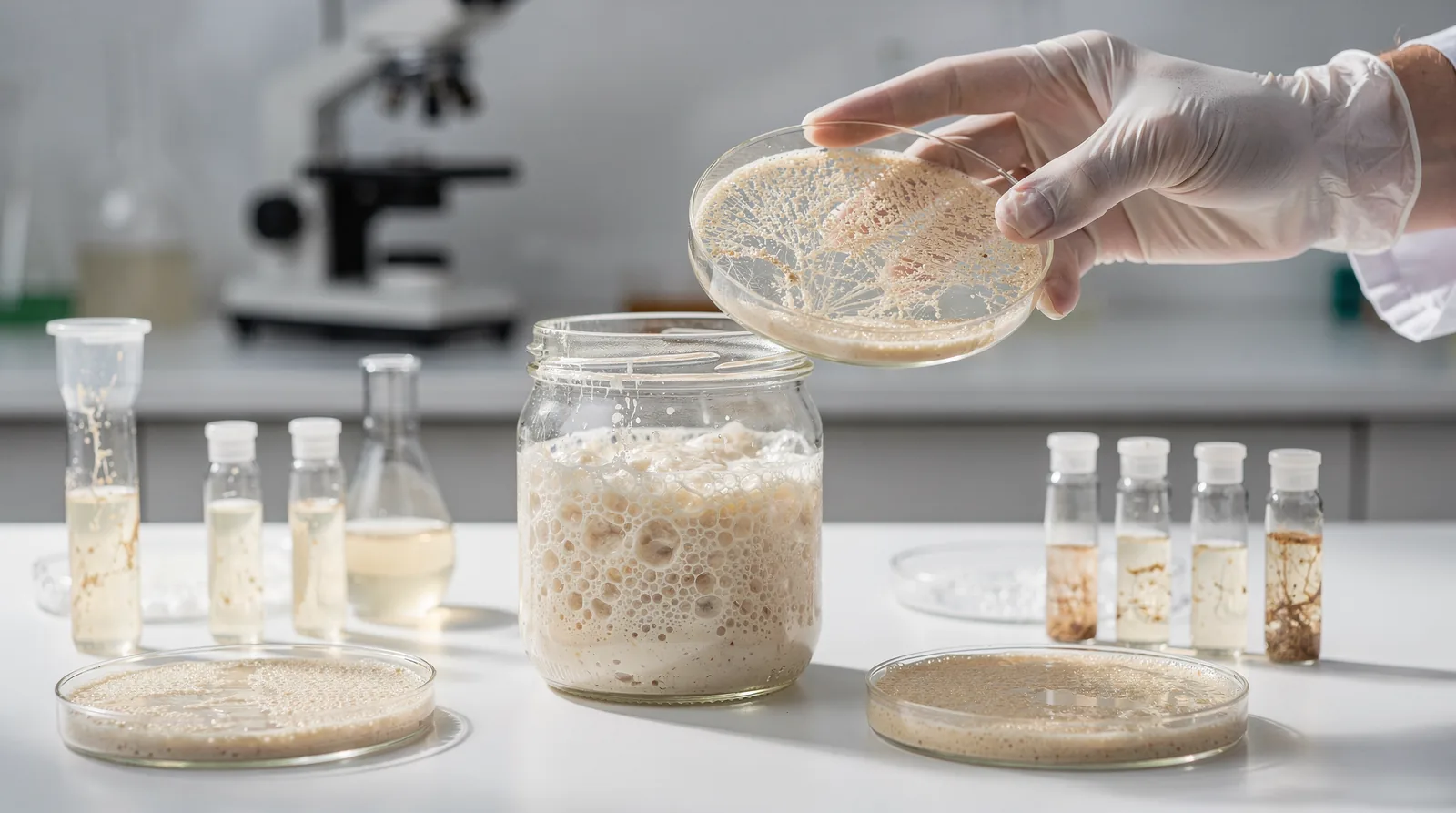
Saccharomyces cerevisiae is common in commercial baker's yeast. It also appears often in sourdough cultures studied around the world. This may surprise bakers who think a wild yeast starter contains only unknown microbes.
Researchers have used DNA sequencing to study starters from many kitchens. They wanted to learn which microbes lived in each jar. The results showed a wide range of yeast and bacteria.
Baker's Yeast Is Not the Only Yeast Present
S. cerevisiae is common, but it is not the only yeast found in starters. Other yeast species can live beside it. Each strain may affect fermentation in a different way.
Yeast Variety and Home Baking
Yeast does more than make dough rise. It also affects the flavor of the finished loaf. Different yeast mixes may help explain why one local sourdough culture tastes different from another. This can happen even when both use the same flour and water ratio.
This variety can matter when bakers build a levain starter for a certain bread style. The culture affects how the dough ferments. Sharing a starter with a neighbor can introduce a new mix of microbes. Keeping more than one starter can do the same. Each jar has its own small microbial fingerprint.
Terroir and Sourdough Culture
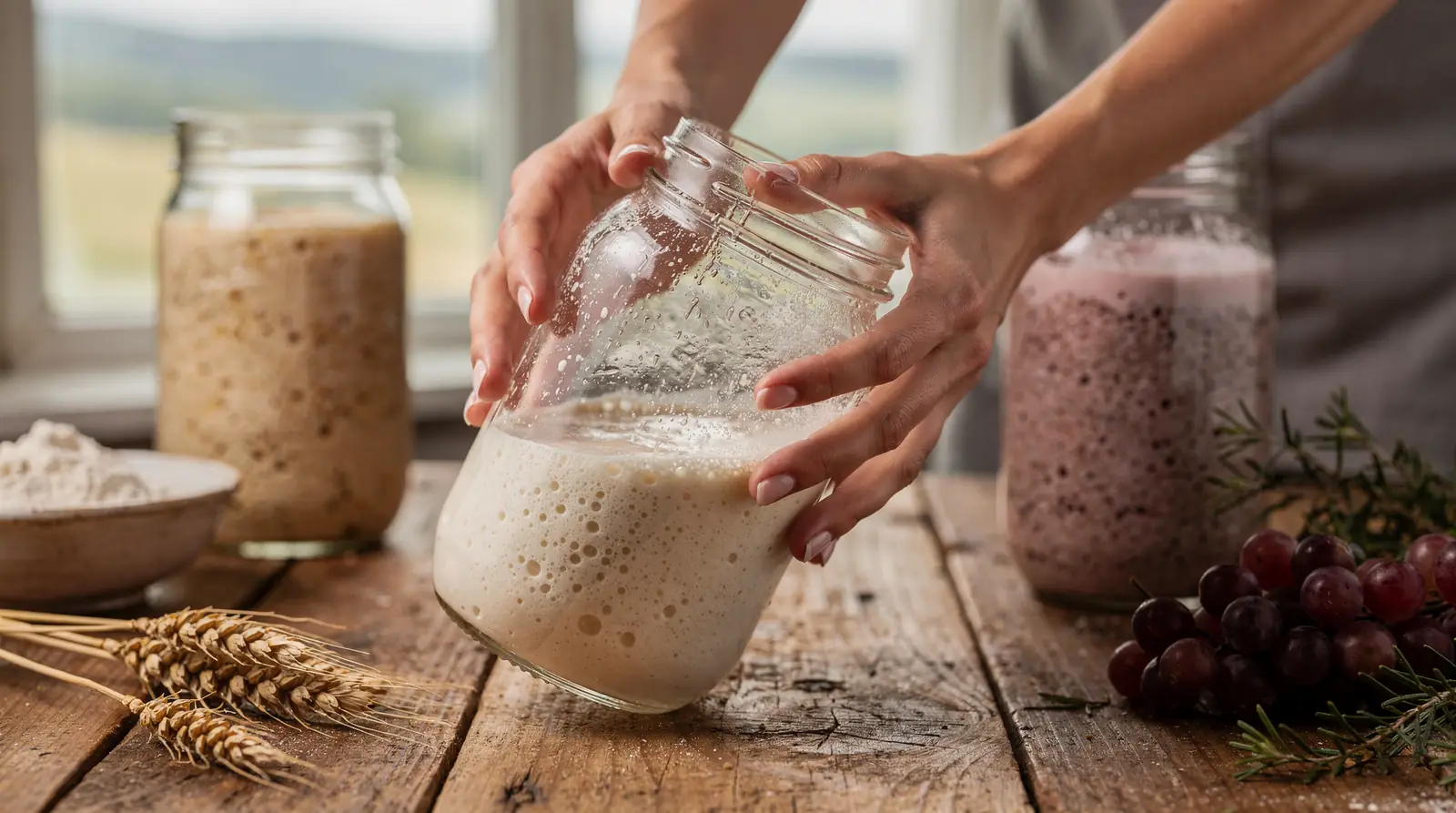
Terroir can affect a sourdough culture. In this context, it means the effect of place on the starter. Geography, kitchen air, and a baker's hands may all leave a mark on a wild yeast starter. Home bakers can explore this idea with a simple experiment.
Some sourdough hobbyists place a fresh flour-and-water mix outside. They cover it loosely with cheesecloth for about a day. The goal is to let natural microbes enter the culture. It is not clear whether this method creates a major difference from an indoor starter. Many bakers still enjoy the process.
Homemade Starters and Local Identity
Bakers may call a starter local when it grows in their own kitchen. Its exact microbial origin can be difficult to identify. For many people, the ritual and story matter as much as the science.
Starter History and Baking Performance
A well-kept local sourdough culture can make good bread, whatever its history. A starter passed through several bakers can still rise well. Age and pedigree matter less than steady feeding and care.
Several factors help set one starter apart:
The balance of yeast strains in the kitchen
The bacteria living beside those yeasts
The changing ratio between yeast and bacteria
That balance is unique to each levain starter. It helps create a flavor that another baker may not fully copy. This remains true even with the same flour and method.
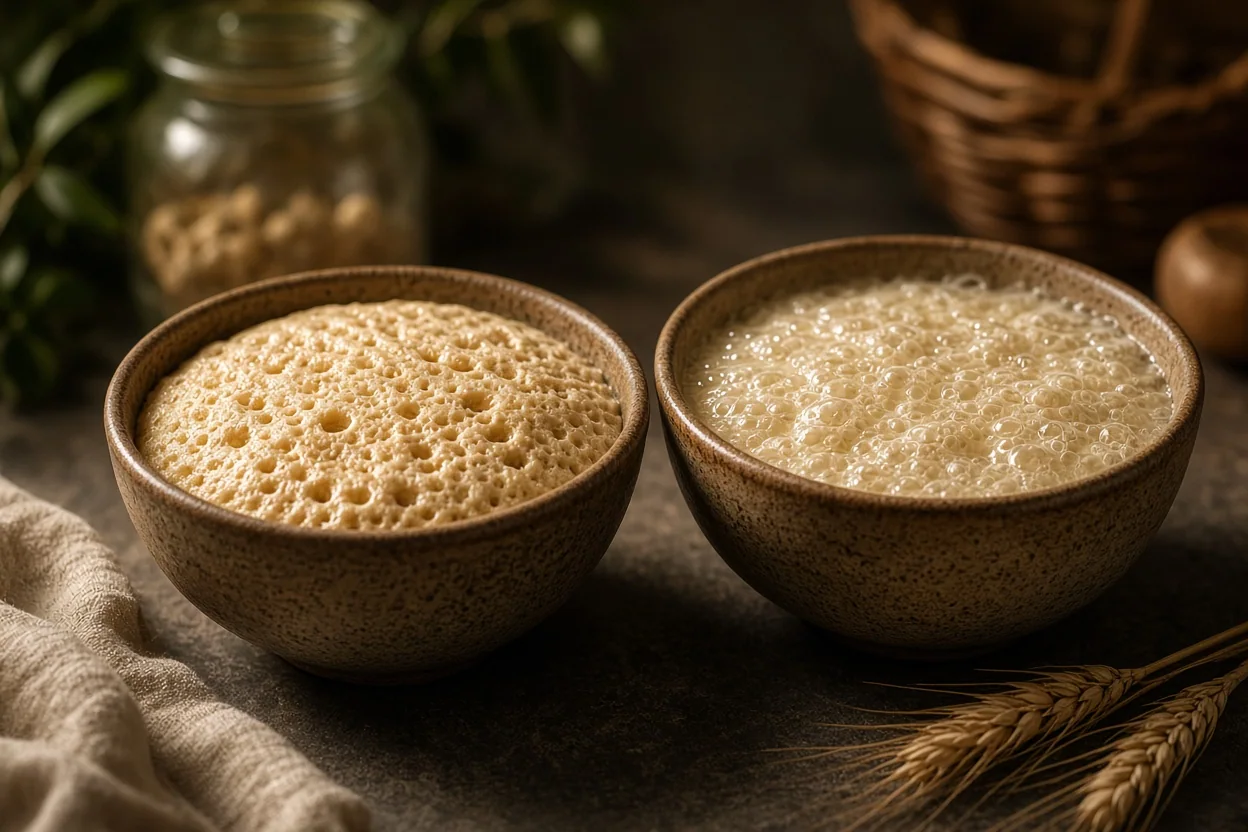
A mother culture is the long-term colony of yeast and bacteria kept in a jar. A levain starter is a smaller amount made from that mother. Bakers mix it with fresh flour and water for one bake. The mother stays alive with regular feedings. The levain is used in the dough.
Think of the mother as a recipe kept for future bakes. The levain is the fresh batch made for tonight's bread. Bakers keep the mother small and steady. They build it into a larger, active levain before mixing the dough.
Each home kitchen has its own mix of microbes. As a result, no two mother cultures behave in exactly the same way. Flour, water, and air shape the local sourdough culture. That culture affects the levain and the finished loaf.
Levain Use Before Baking
Many bakers build a levain before they mix the dough. This keeps the mother culture small and easier to feed. It also gives the baker a fresh, active portion for the bake. A well-fed starter can become ready within about a day.
Feature | Mother Culture | Levain |
|---|---|---|
Lifespan | Permanent | Single-use |
Purpose | Storage and maintenance | Active leavening for one bake |
Feeding schedule | Ongoing | Built once before mixing |
Bubba Goodcrumb's Classic Bubba Starter is a healthy wild yeast starter. It suits first-time bakers and experienced bakers who want to refine a levain routine. A care guide comes with it. The guide explains how to feed the mother and build a dough-ready levain.
Local Water's Effect on Starter Health
Water chemistry can affect the health of a starter. Chlorine and high mineral levels may slow or weaken a young culture. Bakers may notice this before they see a clear rise. Water deserves attention when a starter seems inactive.
Las Vegas tap water contains chlorine and minerals. Bernadette Valer found that these conditions affected her early cultures. Her bread did not rise as expected. She traced the problem to the water rather than the flour or method. Changing the water helped her baking practice adapt.
City Water's Effect on Sourdough
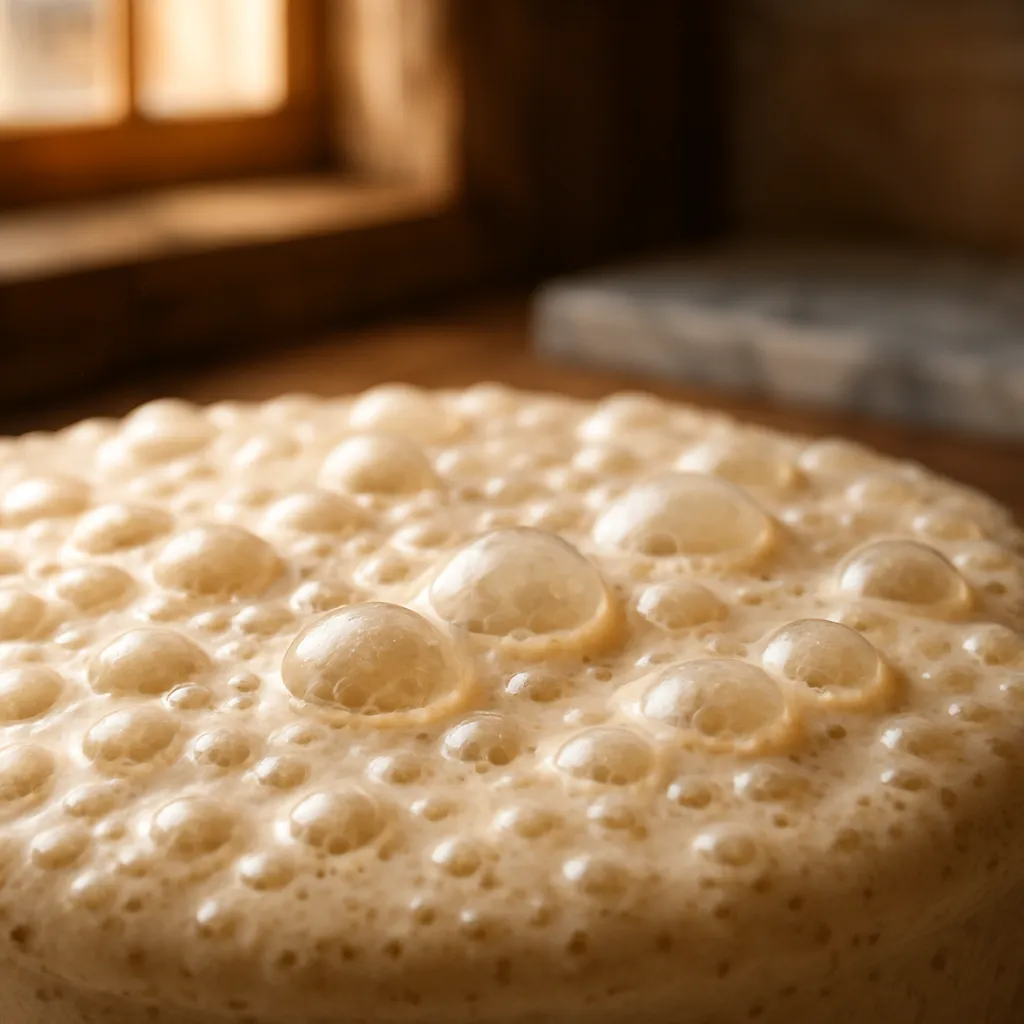
Municipal water is treated to control harmful microbes. That treatment may also affect the yeast and bacteria in a starter. Mineral-heavy water can change fermentation speed as well. A wild yeast starter made with unfiltered tap water may need more time to develop a strong rise.
Building a Local Culture in Any Water Supply
Bernadette moved to Las Vegas and adapted her baking practice to the desert city. Her experience shows why water and climate can matter to a local sourdough culture. Bakers with a slow starter can review these factors:
Water source, such as tap, filtered, or bottled water
Chlorine and chloramine levels
Water hardness and mineral content
Recent changes from the local water utility
Bubba Goodcrumb developed its cultures in Las Vegas, NV. That experience helped the brand create a stable levain starter for home bakers.
Starter Options for Home Bakers
New bakers often want a culture that is easy to manage. Bubba Goodcrumb offers the Classic Bubba Starter. This wild yeast starter supports gentle fermentation instead of an aggressive sour flavor.
The culture gives beginners room to learn. They can practice feeding schedules and hydration ratios without starting with a strong tang. Bakers who want more sourness can adjust feeding frequency and flour choice over time. The Classic Bubba Starter offers a calm starting point for home bread making.
Bubba Goodcrumb's Delivery Model
The culture is developed in Las Vegas and shipped as a product. Bubba Goodcrumb does not offer in-person pickup. Each order contains a dehydrated starter. Bakers order online and receive the same dried culture wherever they live.
Bubba Goodcrumb ships to all 50 states. Contact the brand about international shipping options. The dried culture travels to home kitchens for rehydration.
Starter Vitality After Dehydration
Each Bubba Goodcrumb starter is shipped in a dehydrated, dormant form. Drying helps preserve the live yeast and bacteria. After delivery, bakers rehydrate and feed the culture for several days. This revival period is normal. The dried form also makes the starter shelf-stable and easy to ship.
Starter Option | Best For | Delivery Method |
|---|---|---|
Classic Bubba Starter | Beginners wanting mild tang | Nationwide delivery, dehydrated |
Same culture, any location | Bakers outside Nevada | Nationwide delivery, dehydrated |
Every order ships in the same way. The dried culture stays consistent from one order to the next.
Keeping a Wild Culture Thriving
Regular feeding helps a wild culture stay active for years. Flour choice and good support also help. Neglect can lead to slow rises and dense loaves. A well-tended culture rewards patience with steady performance and deep flavor.
Flour choice matters more than many beginners expect. A wild yeast starter can use all-purpose, whole wheat, or rye flour. Bakers can also move toward gluten-free blends as their needs change. Switch flours slowly. A gradual change gives the culture time to adjust.
Passing a Starter Between Bakers
Yes, a levain starter can thrive after passing through several hands. Friends, coworkers, and neighbors often share starters. The original history may be unclear. Once the culture reaches a new kitchen, regular care matters most.
Community Support for Long-Term Care
A thriving local sourdough culture does not have to be managed alone. Bakers can share tips, trade starters, and solve problems together. This support can build skill and confidence.
Bubba Goodcrumb brings that community spirit to every crock it ships. The brand serves bakers in Las Vegas and around the world. Its Classic Bubba Starter is designed for anyone learning to care for a living culture.
These habits help keep a starter strong:
Feed it on a steady schedule.
Look for reliable doubling, not only bubbles.
Change flour types gradually.
Ask other bakers for help when problems arise.
Rye can bring bold flavor. Whole wheat can offer a gentler character. Each starter type adds something different to bread. A wild yeast starter is more than an ingredient. It is a living culture that rewards care.
FAQ
What determines the type of wild yeast in a sourdough starter?
Flour, water, air, and location all shape the yeast in a starter. These conditions can create different flavor profiles. Some starters taste mild, while others taste sharply tangy.
What role do the two main microbes play in a starter?
Yeast strains, such as Saccharomyces or Candida, create carbon dioxide. That gas helps form an airy crumb. Lactobacillus bacteria create lactic and acetic acids. These acids give sourdough its tang.
How long does Bubba Goodcrumb's Classic Bubba Starter take to become ready for baking?
When fed properly, this mild culture can be ready to bake within 24 hours. It contains Saccharomyces yeast and Lactobacillus bacteria. This makes it a useful choice for beginners exploring sourdough.
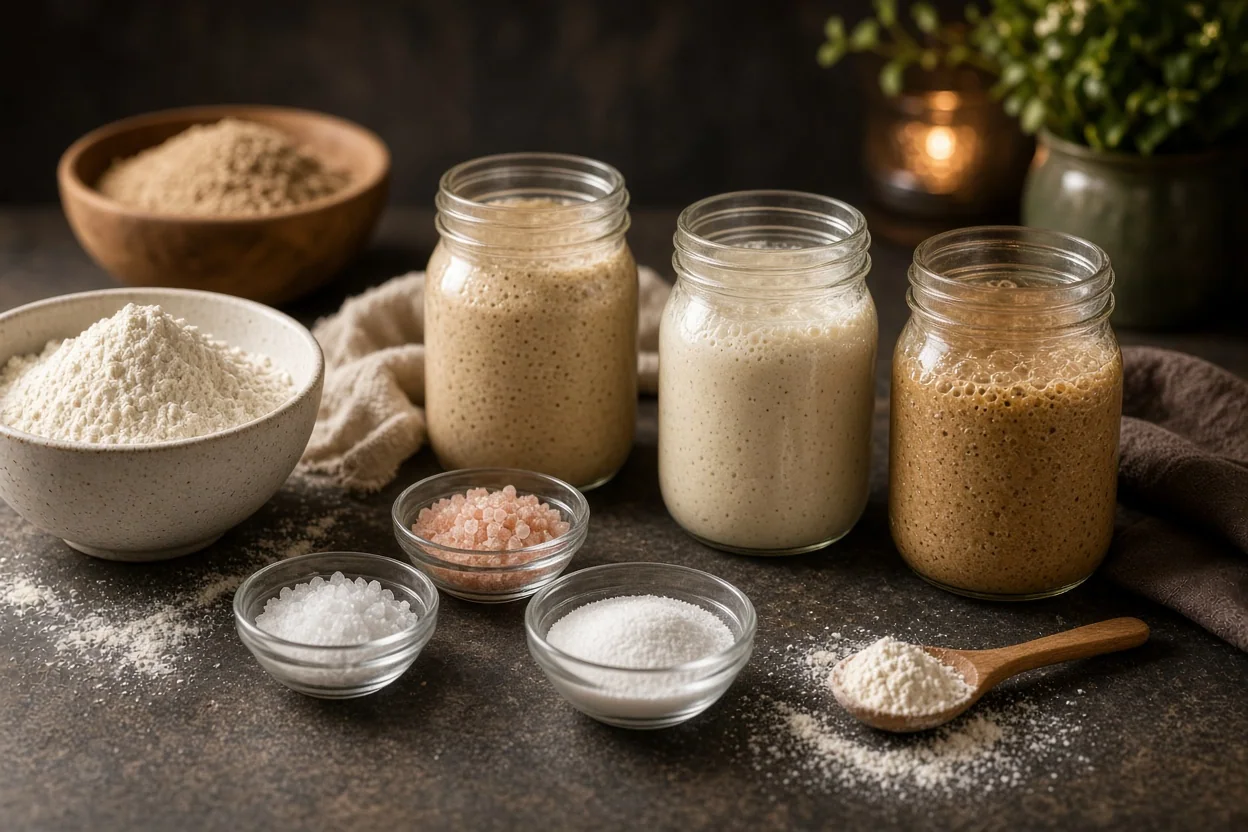
Choosing Flour, Salt, and Feeding Styles
A sourdough starter responds to each ingredient in the jar. A levain made with bread flour often rises predictably, while whole wheat flour can add aroma and activity. Rye flour may bring a deeper flavor. A little sugar can support browning in the final loaf, while sea salt sharpens the taste. The right hydration also helps a baker judge whether fermenting is moving at a useful pace. This balance gives sourdough bread its character.
When you make a levain, keep the flour and water quantities consistent. A bread levain can use bread flour, whole wheat flour, or a blend. Sea salt belongs in the dough rather than the feeding jar. A small amount of sugar can help the finished bread brown. Wheat adds structure and flavor, while fermenting develops the dough.
A sourdough starter becomes easier to read after several feedings. The levain should show bubbles and a rounded top before use. A second levain may suit a dough with more whole wheat flour. Bread flour can support an artisan bread shape. Careful fermenting gives the dough time to develop without rushing the culture.
For a sourdough starter, hydration changes the way the levain moves and smells. A thick levain rises slowly and holds its shape. A loose levain may peak sooner. Bakers exploring levain sourdough can adjust sugar only in the dough, not as a substitute for feeding. Sourdough bread also benefits from a clean jar and a simple airlock when the culture needs protection.
Another sourdough starter can behave differently in the same kitchen. The levain may smell fruity, sharp, or gently lactic. Some bakers compare this culture with lievito madre, which is usually kept firm. Others describe the long-term culture as mother dough. Sea salt controls flavor in the dough, while fermenting controls much of its aroma.
After feeding a sourdough starter, mark the jar so the levain's rise is easy to track. A baker can make a levain for one loaf and refresh the remaining culture. Whole wheat flour can add strength to the early feedings, while rye flour can encourage activity. Sugar may deepen crust color. Sourdough bread rewards these small adjustments.
A mature sourdough starter gives a levain a dependable foundation. To make a levain, choose the flour that matches the loaf. Bread flour helps an artisan bread hold its shape. Sea salt seasons the dough without changing the starter. Fermenting works best when the dough has time to expand. Wheat and other grains each bring a different balance.
The same sourdough starter can support a levain routine for many styles. One levain may become levain sourdough bread, while another follows the firmer lievito madre tradition. A levain sourdough starter can be kept in a jar with an airlock during storage. Sugar belongs to selected recipes, not every feeding. The leaven should still show clear activity before baking.
When you make a levain, use smell, volume, and texture together. A sourdough starter that rises and then settles may have passed its peak. The levain can still work, but timing matters. Sourdough bread often gains flavor from slow fermenting. The goal is a strong leaven, not simply a jar full of bubbles.
A sourdough starter can be refreshed with wheat flour or a blend. The levain should match the dough's schedule. Whole wheat flour may make the culture seem more active, while a lighter flour can give a cleaner profile. Hydration affects both the levain and the final bread. Watch the dough rather than relying on the clock alone.
For a steady sourdough starter, feed the levain with care and keep notes. Sugar can change the crust's color and sweetness. Sea salt gives sourdough bread a balanced finish. The leavening power comes from the living culture, while fermenting builds the deeper flavor that bakers seek.
A final sourdough starter check should happen before mixing. The levain should look lively and smell clean. Sea salt can then be measured into the dough, and the bread can begin its rise. Good fermenting turns a simple mixture into a loaf worth sharing.
Whether a sourdough starter is young or established, the levain remains a practical bridge between culture and dough. Sourdough bread depends on that living leaven, steady feeding, and patient observation.
About Bubba Goodcrumb
Sharing practical sourdough guidance from the Bubba Goodcrumb kitchen in Las Vegas.
More from Bubba
Related reading
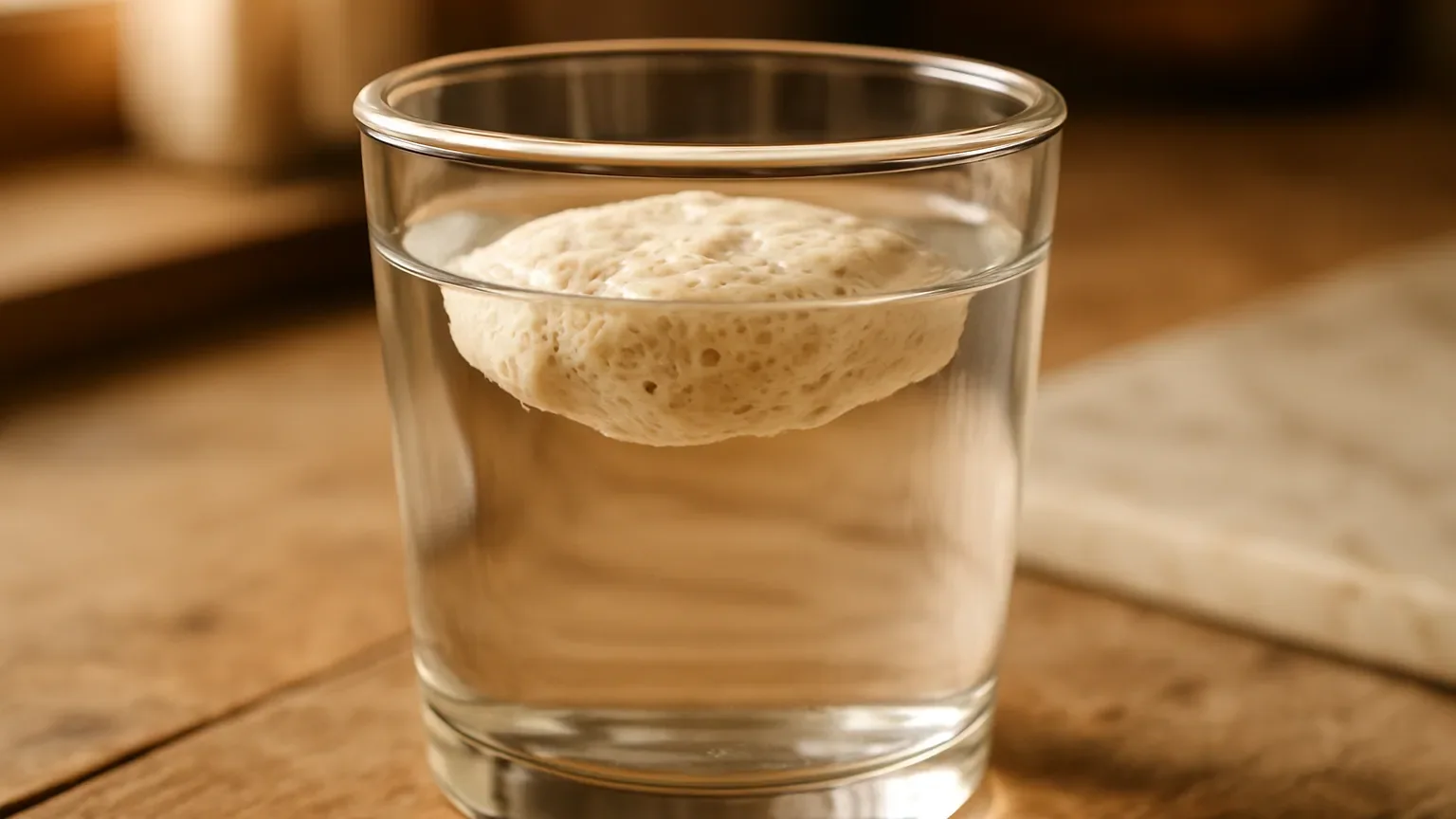
How to Use the Float Test Sourdough Method
Master the float test sourdough method to check starter strength and activity. Bubba Goodcrumb teaches you to read rise, bubbles, and float response.
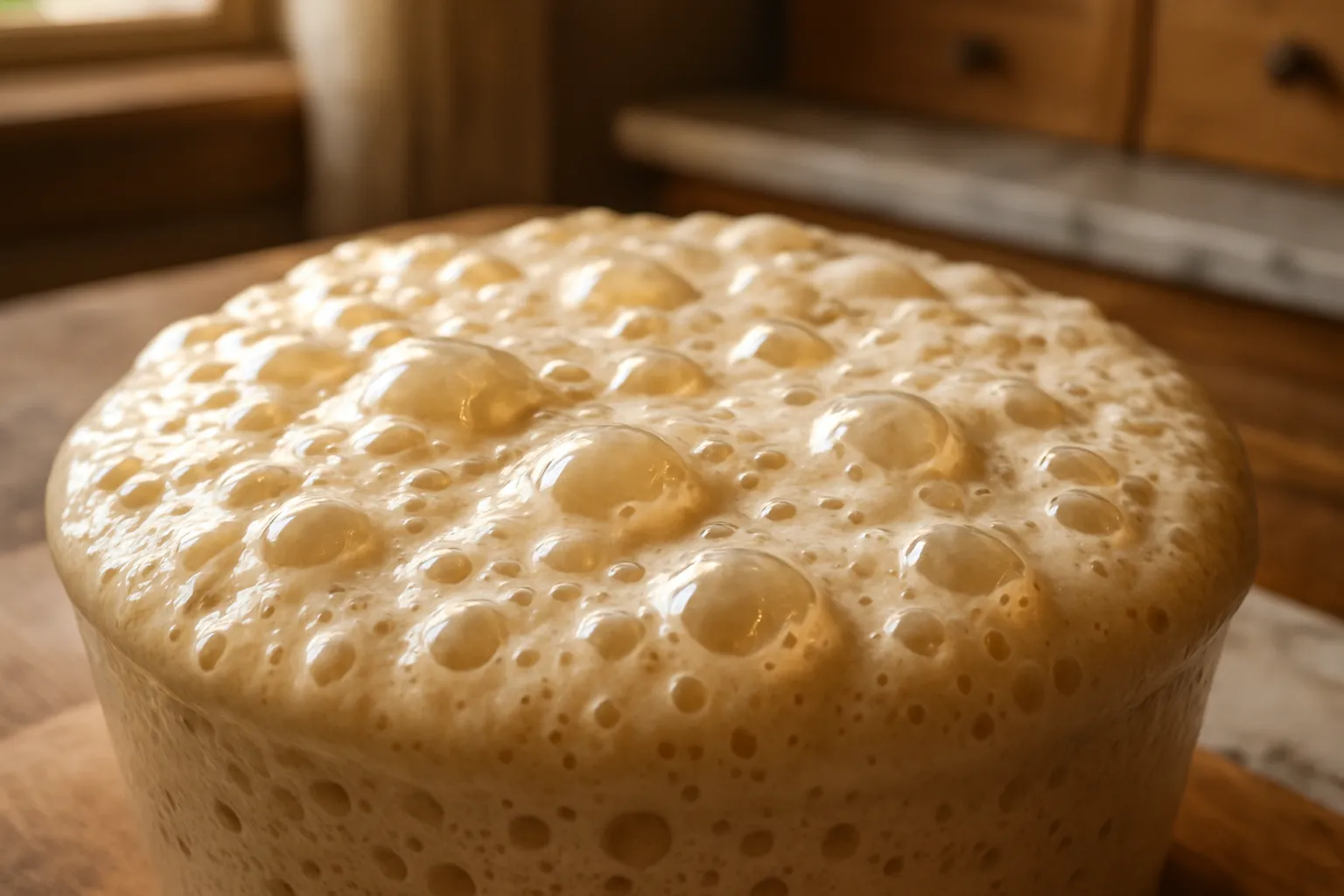
The Sourdough Microbes: Yeast and Bacteria Explained
Discover how wild yeast and lactic acid bacteria work together in sourdough starters. Bubba Goodcrumb explains the science behind rise and tang.
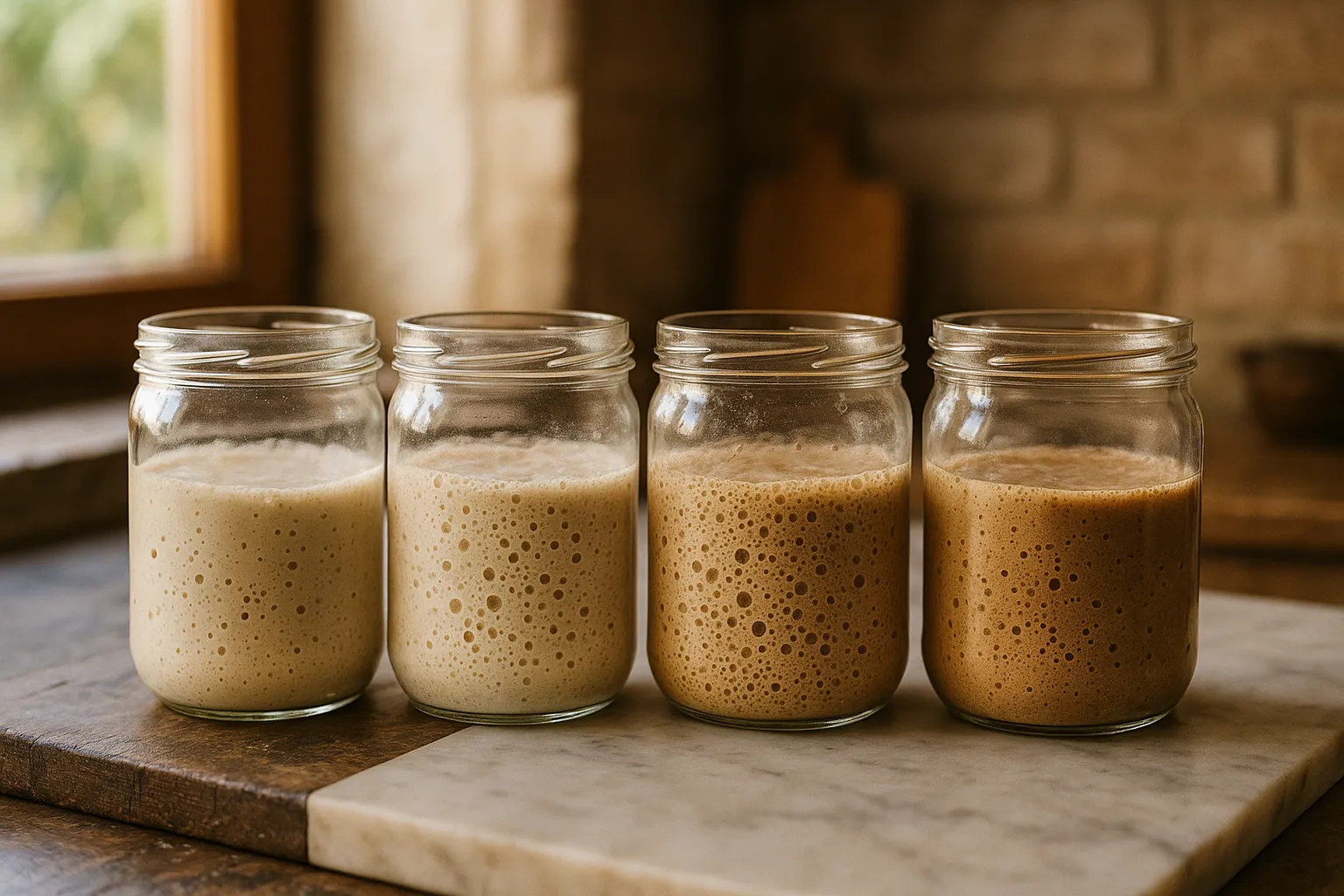
Compare Sourdough Starters: Bubba Goodcrumb vs King Arthur and Cultures for Health
Compare Bubba Goodcrumb, King Arthur, and Cultures for Health sourdough starters by format, activation time, shipping, price, and support.