The Sourdough Microbes: Yeast and Bacteria Explained
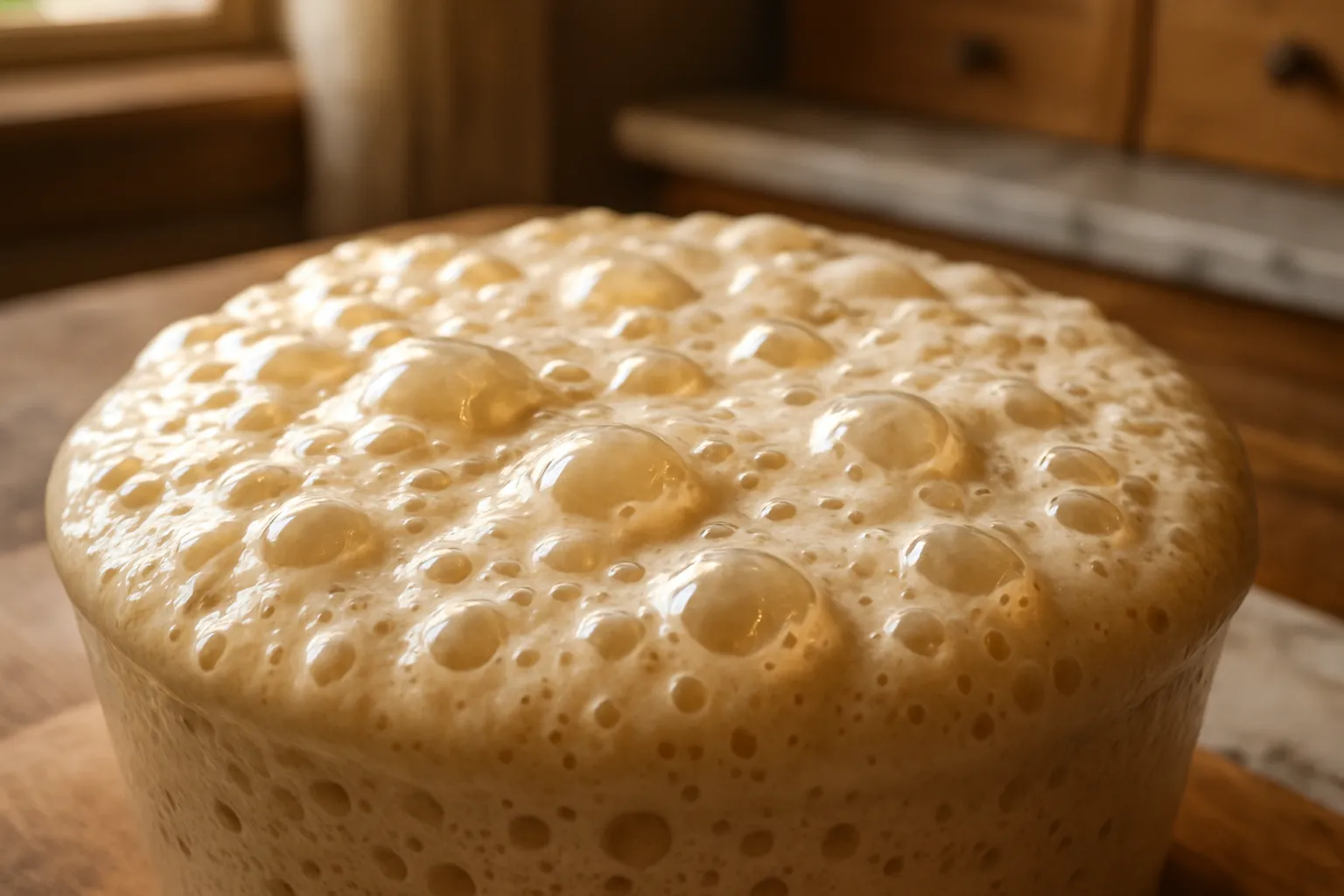
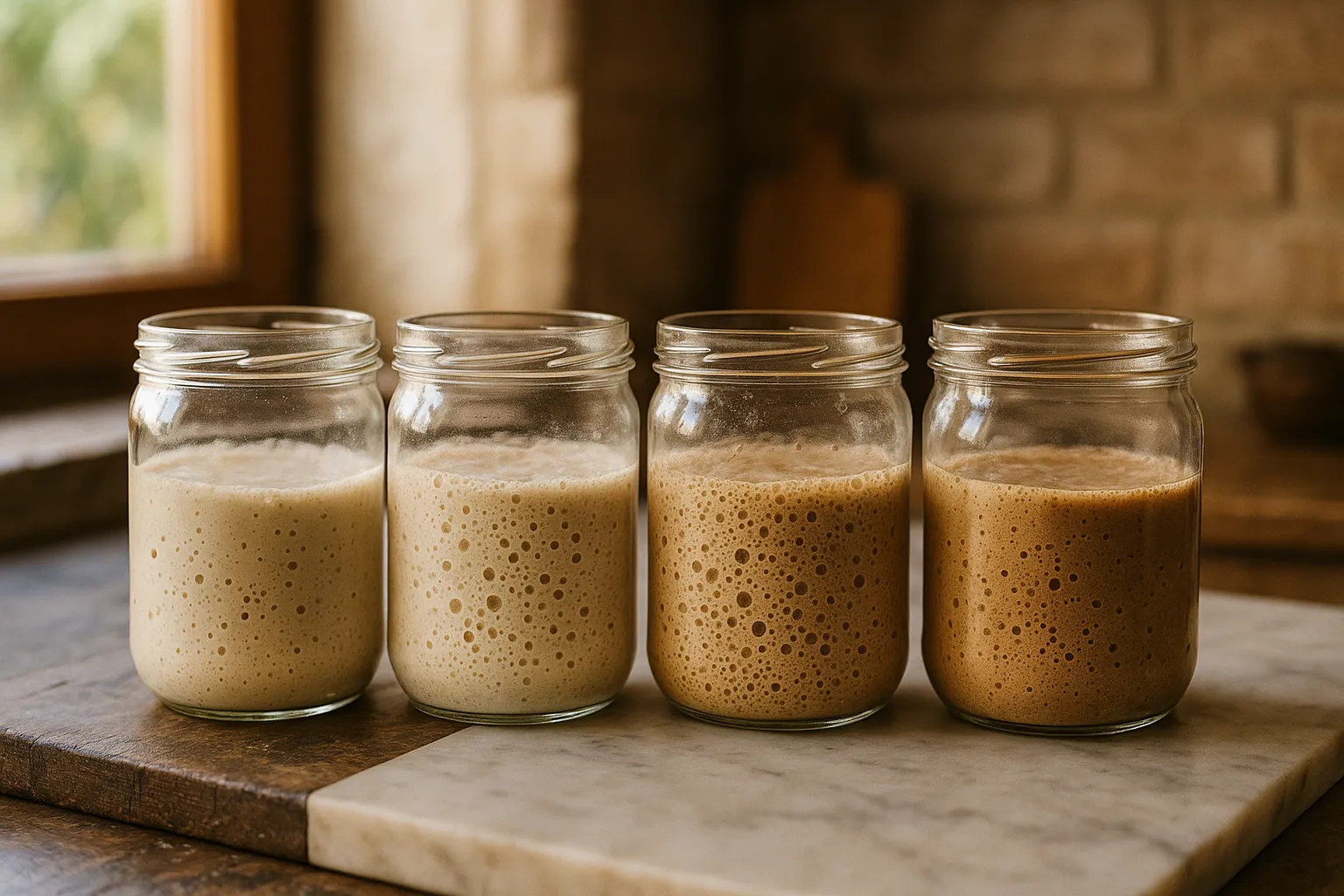
Wild yeast and lactic acid bacteria form the two core microbial groups in every sourdough starter, living together in a symbiotic culture. Yeast produces carbon dioxide for rise, while bacteria generate lactic and acetic acids for tang. Bubba Goodcrumb's Classic Bubba Starter, crafted in Las Vegas, houses this balanced community. Bubba Goodcrumb's starter is ready for baking soon after feeding, depending on conditions.
Key Takeaways
- Sourdough starters contain wild microbial communities that thrive in flour and water mixtures.
- Researchers studied 500 sourdough starters from four continents to characterize global microbial diversity.
- Yeast and bacteria work together in starters to create leavened bread over thousands of years.
- Specific microbial community members determine how bread tastes, feels, and looks during baking.
What Living Organisms Actually Live in Your Starter?
Two microscopic populations power every jar of starter: wild yeast and lactic acid bacteria. Together, these sourdough microbes form a working partnership that leavens dough and builds flavor at the same time. Neither group works alone — the rise and the tang both depend on their combined activity.
The bacteria side of that partnership deserves top billing. Starter lactobacillus strains consume sugars in the flour and produce lactic acid as a byproduct. That acid does double duty: it delivers sourdough's signature tang, and it also extends the bread's shelf life by creating an environment less friendly to spoilage organisms. A loaf without this bacterial activity would taste apartment and go stale faster.
What role do yeast strains play in a starter?
Wild yeast handles the elevator. Various starter yeast strains feed on the same sugars as the bacteria, releasing carbon dioxide gas that gets trapped in the dough's gluten network. That trapped gas is what gives a sourdough loaf its open crumb and springy texture.
Why does one starter taste different from another?
Flavor comes down to the balance between yeast and bacteria populations, not just their presence. A starter with a stronger bacterial contingent leans sour; one with more yeast activity leans mellow. Bubba Goodcrumb's flagship culture is built around that balance. Described as mild and versatile, with a gentle tang that reflects a well-matched microbial community rather than one strain dominating the jar.
Every starter shipped from Bubba Goodcrumb arrives dehydrated and dormant, meaning the yeast and bacteria inside are preserved in dried form and wake up once a baker rehydrates and feeds the culture over several days. That dried form matters:
- Shelf-stable, keeps for months with no refrigeration
- Travel-proof, the dried culture survives shipping and heat
- Predictable revival, feeding brings it back to full activity in a few days
Understanding these two populations turns starter care from guesswork into an informed routine, one that home bakers can adjust with confidence.
How Do Wild Yeast Strains Shape Your Bread?
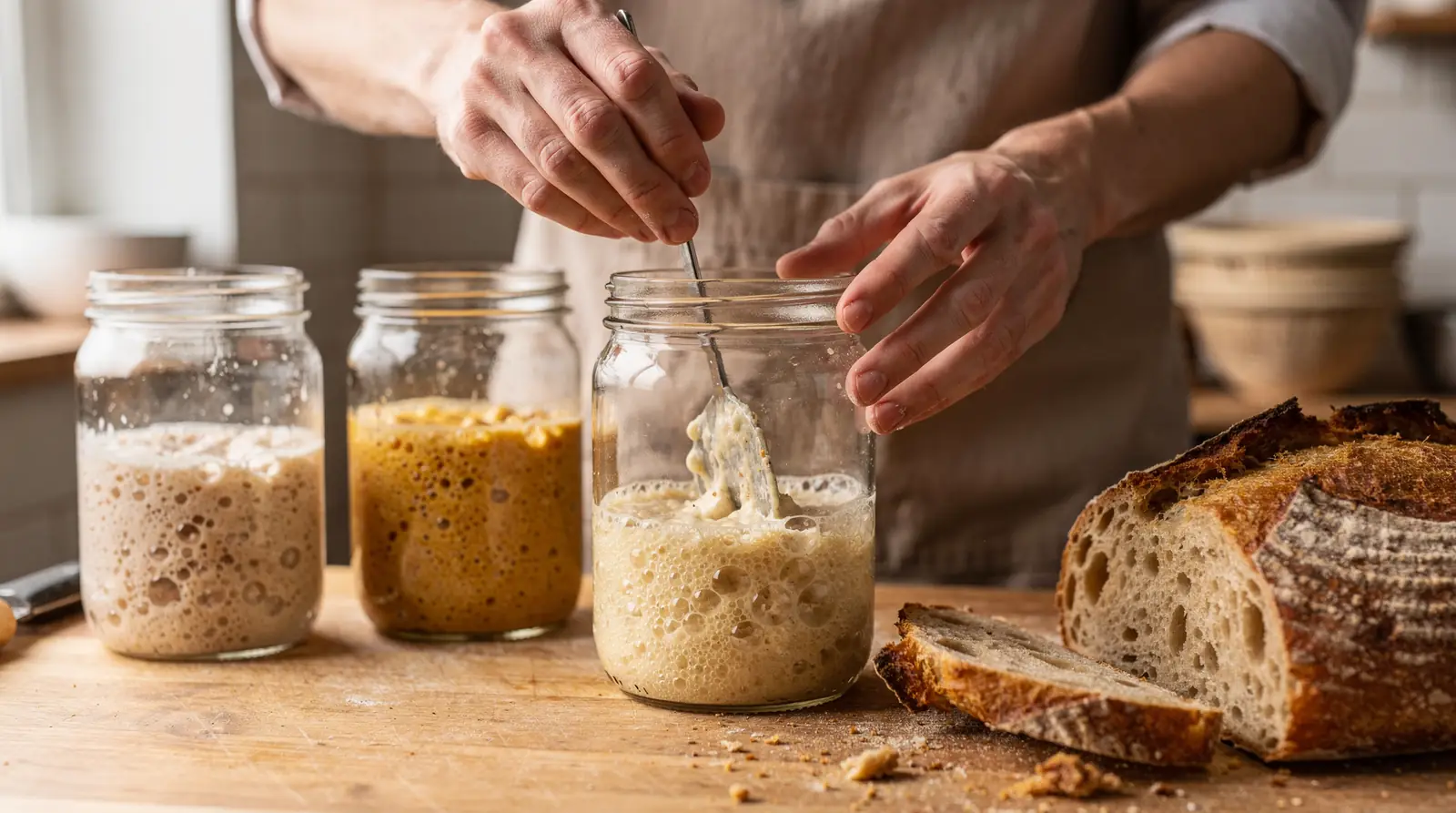
Wild yeast populations determine how a loaf rises, smells, and tastes long before the oven gets involved. Different starter yeast strains produce different gas volumes, different tolerance for cool kitchens, and different flavor byproducts, which is why no two starters behave quite the same way. Flour, water, and time combine to build something genuinely alive, a transformation that first pulled founder Bernadette Valer into the world of sourdough baking.
That living quality isn't just poetic language. Wild yeast cells feed on the sugars released as flour ferments, releasing carbon dioxide that gets trapped in the dough's gluten network. The result is elevator, structure, and the open, airy crumb bakers chase.
Sourdough microbes don't work alone, either. Yeast and bacteria share the same jar, and their relationship shapes everything from rise speed to the tang in the finished crust.
Why does a starter's yeast activity matter for timing?
Yeast strength dictates how quickly a starter becomes bake-ready after feeding. A well-formulated culture, like the Classic Bubba Starter, gets built so its yeast population reaches peak activity within 24 hours of feeding. That predictability spares bakers the guesswork of watching a sluggish jar for days, wondering if it's ever going to bubble.
Is sourdough only about chemistry?
Not entirely, and many home bakers would argue chemistry is the smaller part of the story. Sourdough has become a symbol of home, comfort, and community for countless bakers, not just a science experiment on the counter. Feeding a starter daily, watching it double, and pulling a warm loaf from the oven taps into something more personal than fermentation curves alone.
Consider what shifts a starter's character:
- Flour type — whole grain feeds wild yeast faster than refined white flour
- Ambient temperature — warmer kitchens speed strain activity, cooler ones slow it
- Feeding ratio — more frequent feedings favor vigorous yeast growth over sluggish strains
Each factor nudges the balance, quietly shaping the loaf that eventually lands on the table.
What Role Does Lactobacillus Play in Flavor?
Starter lactobacillus produces lactic acid, and that acid is the direct source of sourdough's signature sour bite. Fermentation converts sugars in the flour into lactic acid, and this byproduct does double duty: it sharpens the tang bakers taste and it extends the bread's freshness on the counter. Loaves without that lactic acid activity fall apartment, staling faster and tasting closer to plain white bread than true sourdough.
Lactobacillus doesn't work alone, though. Sourdough microbes as a whole community shape a starter's personality, and one often-overlooked player deserves more credit than it gets.
Do other microbes affect sourdough flavor besides lactobacillus?
Acetic acid bacteria, a frequently overlooked group of sourdough microbes, largely explain the differences in rise speed and aroma between one starter and the next. These bacteria work alongside lactobacillus and starter yeast strains, contributing sharper, vinegar-like notes that round out the sour profile lactic acid builds. A starter's final flavor, then, comes from a partnership, not a solo act.
Why does Bubba Goodcrumb's starter taste mild instead of sharp?
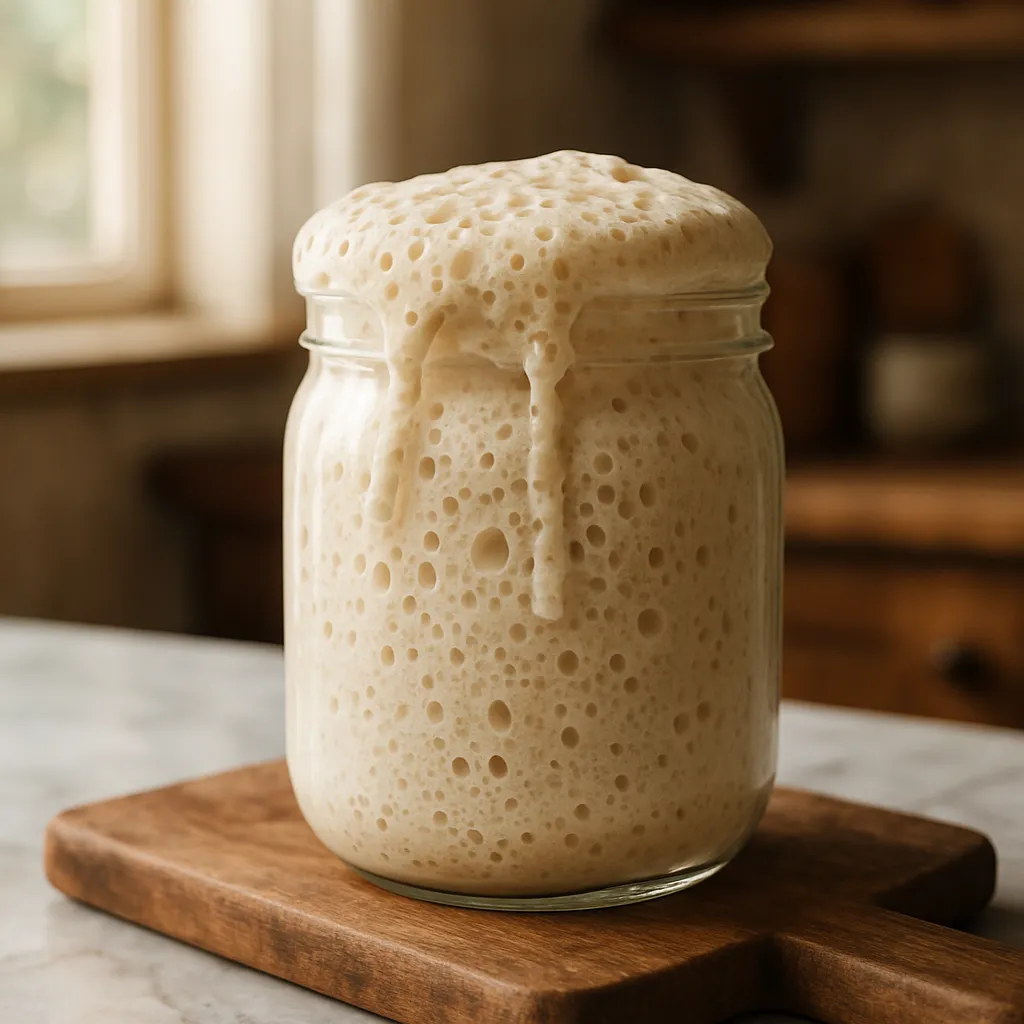
Bubba Goodcrumb's Classic Starter is crafted for a gentle, balanced tang. That reflects a measured lactic acid bacteria presence right out of the crock, rather than an aggressive, vinegary punch. Home bakers get a starter that leans approachable, not overpowering.
Understanding this balance helps explain why two starters, fed the same flour and water, can taste completely different:
- Strong lactic acid activity — pronounced sourness, tighter crumb tang
- Active acetic acid bacteria — sharper aroma, faster rise variation
- Balanced cultures like Bubba Goodcrumb's Classic Starter — mild tang, beginner-friendly results
Flavor, in the end, is a living negotiation between these microbial groups, one that shifts a little with every feeding.
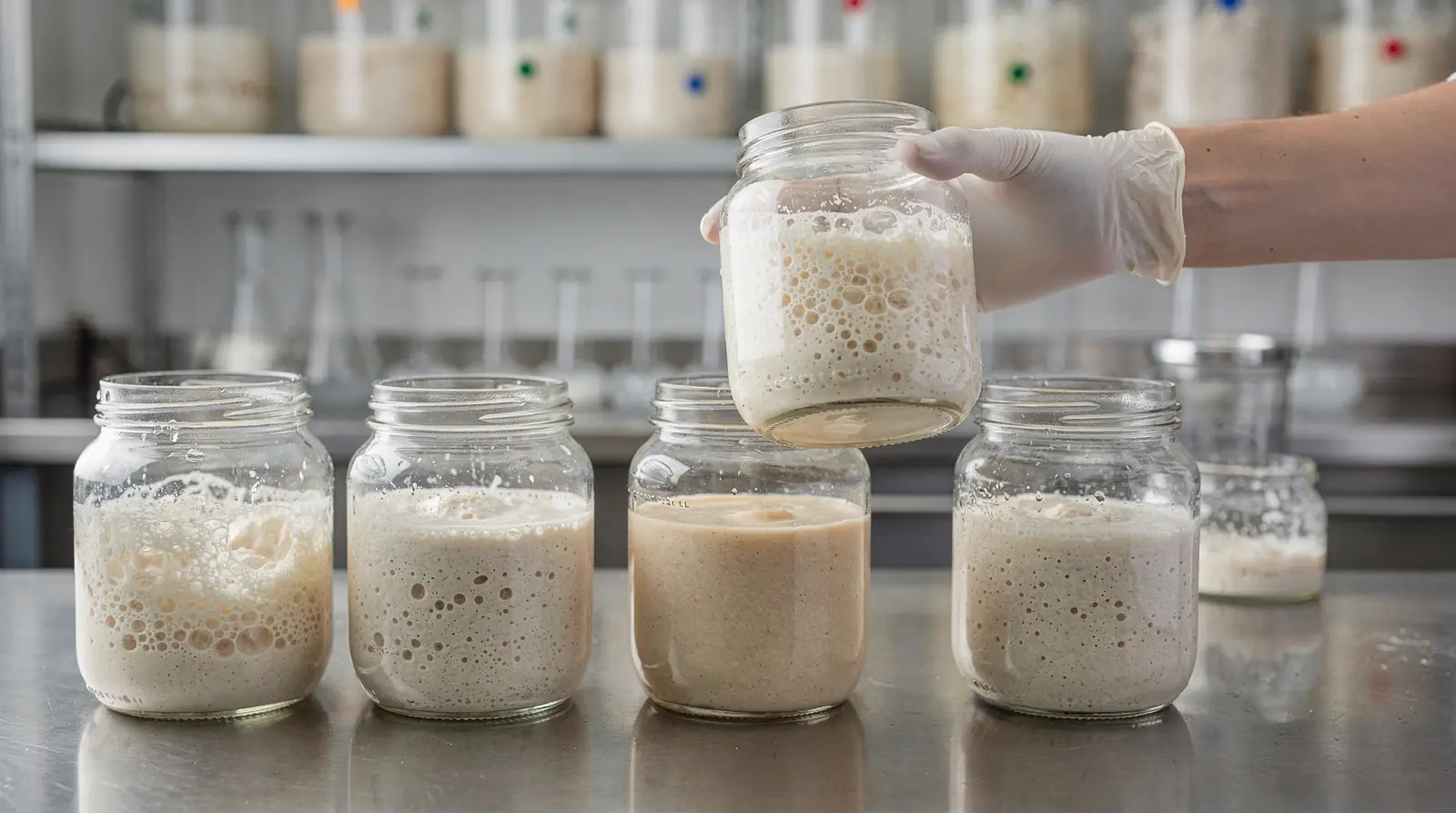
Why Does Microbial Diversity Vary Between Starters?
Geography explains far less than most bakers assume. A community-scientist project examined 500 sourdough starters collected across four continents, mapping the full range of sourdough microbes living inside them. The surprising result: starters from Las Vegas and starters from Lisbon can share strikingly similar microbial makeups. Two jars from the same kitchen sometimes diverge.
Does location determine a starter's flavor and microbial mix?
Not as much as tradition suggests. The four-continent study found little evidence of regional "fingerprints," directly challenging the popular idea that a starter's character comes from its local air or terroir. Instead, diversity seems to hinge on smaller, more personal factors. Flour type, feeding schedule, hydration, and the jar's particular microenvironment.
What actually decides which microbes take over a starter?
Competition and cooperation between species drive the outcome far more than location does. Researchers observed strong co-occurrence patterns among microbial populations in real starters, then recreated those same patterns in controlled lab conditions. That consistency shows microbial interactions — not geography. Shape which starter lactobacillus strains and which starter yeast strains end up dominant in a given culture.
This helps explain a frustration many bakers know well. A starter can behave beautifully for months, then suddenly stall or sour for no obvious reason. Bernadette Valer encountered this firsthand during her early sourdough experiments, watching starter after starter refuse to thrive despite careful attention. Something in the internal balance had shifted, even when nothing external had changed.
Diversity, then, isn't random — it's the outcome of an ongoing negotiation between organisms competing for the same flour and water. A few practical takeaways follow:
- Two starters fed identically can still diverge based on which microbes arrived first.
- Regional starters aren't inherently more "authentic" or flavorful.
- Instability often signals a shift in microbial competition, not a ruined culture.
Could Your Tap Water Be Killing Microbes?
Yes — chlorinated, mineral-heavy tap water kills the delicate sourdough microbes that make a starter rise and bubble. Chlorine exists in municipal water specifically to eliminate microorganisms, and a starter's yeast and bacteria don't get a pass. Mineral content adds another layer of stress, throwing off the balance a young culture needs to establish itself.
This isn't theoretical. Bubba Goodcrumb's founder discovered the problem firsthand, battling failed starter after failed starter in her own Las Vegas kitchen. Desert tap water, loaded with chlorine and minerals, quietly wiped out her cultures before they ever had a chance to develop strength.
Why does Las Vegas water pose such a specific challenge?
Bernadette Valer has called Las Vegas home for many years, giving her decades of direct experience with the region's harsh water chemistry. Desert municipal water tends to run heavier on treatment chemicals. Mineral content than water in other parts of the country. That combination made her early sourdough attempts a lesson in trial and error long before it became a business advantage.
That hard-won knowledge now shapes how Bubba Goodcrumb thinks about protecting starter lactobacillus. The starter yeast strains that give bread its rise and tang. Operating out of Las Vegas, NV, means confronting the same water challenges every home baker in a similar climate faces.
A few water habits protect a starter's microbial balance:
- Let tap water sit out uncovered for 24 hours to allow chlorine to dissipate naturally.
- Use filtered or bottled water when starting a new culture, especially in the first few weeks.
- Avoid water straight from a chlorinated municipal source during feeding, particularly in dry, mineral-heavy regions.
Small adjustments like these protect the living culture bakers work so hard to build.
How Does Bubba Goodcrumb Cultivate Balance?
Balance starts long before a jar ever ships. Bubba Goodcrumb builds each starter as a live culture, tended with care until the sourdough microbes inside reach a stable, active rhythm. That patience matters — a rushed culture arrives sluggish, unpredictable, and prone to collapse in a new kitchen.
Wild yeast and bacteria don't cooperate on command. They need time, consistent feeding, and the right environment to settle into a working partnership. Only once that balance holds does a starter get dried for shipping and head to a customer's door.
What keeps a starter's microbial balance steady after delivery?
A detailed care guide travels with every order, giving bakers the feeding schedule and handling tips needed to protect the culture's balance at home. Without guidance, even a healthy starter drifts. Hydration swings, temperature shifts, and inconsistent feeding all throw off the ratio between starter lactobacillus populations and resident yeasts. The guide translates that science into simple, repeatable steps.
Is one starter really suited for both beginners and experienced bakers?
Yes. The Classic Bubba Starter carries a mild, approachable profile built around gentle starter yeast strains that produce a light tang rather than an aggressive sour bite. That balance makes it forgiving for someone feeding a culture for the first time.
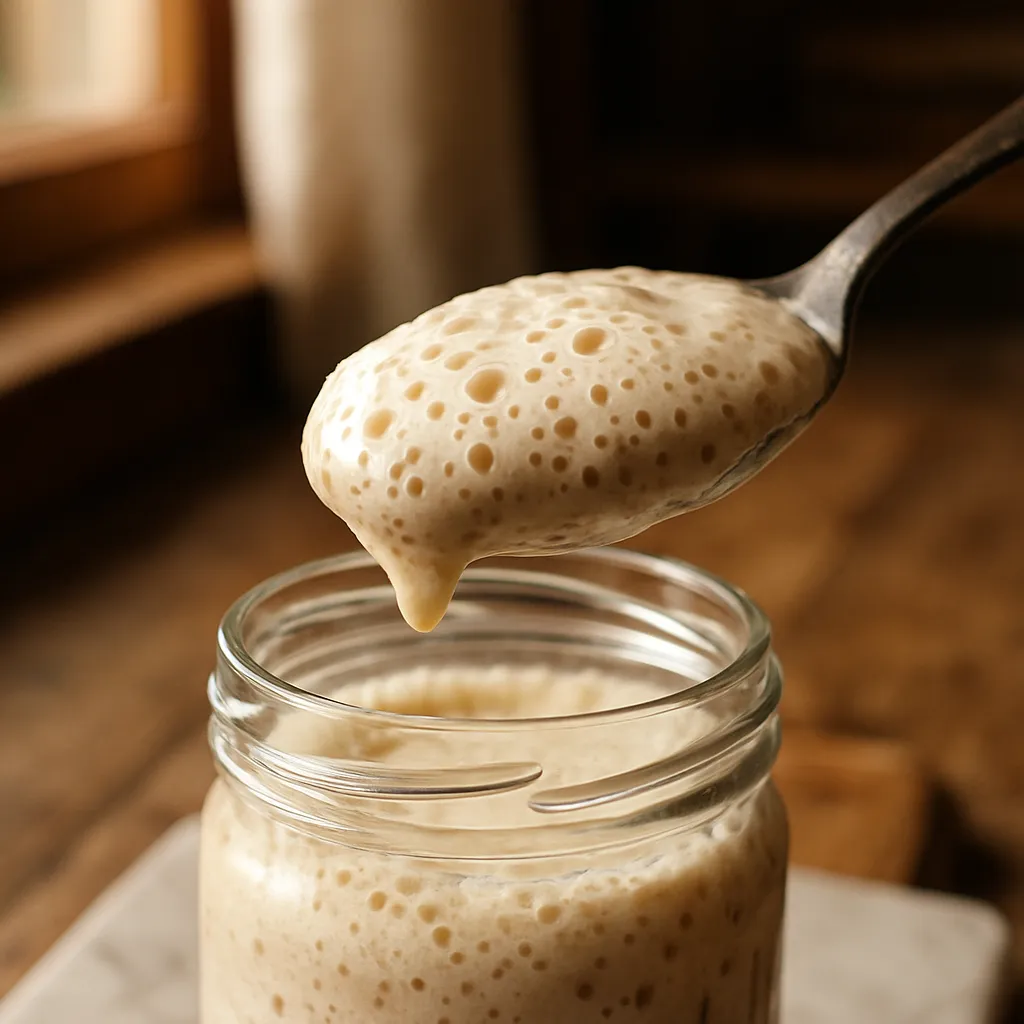
Seasoned bakers benefit too. A mild base offers room to build flavor through technique rather than fighting an overpowering starter. Consider what a balanced starter offers both groups:
- Predictable rise, easier to read and time
- Gentle flavor that adapts to different flour blends
- Lower risk of over-fermentation for less-experienced hands
That flexibility is the balance Bubba Goodcrumb aims to hand off, jar by jar.
What Feeding Habits Keep Microbes Thriving?
A steady, repeating feeding schedule keeps a starter's population of sourdough microbes active and hungry. Skip a feeding and the colony slows down. Feed on schedule and it snaps back to life, ready to leaven dough. Consistency, not complexity, is the real secret behind a lively crock.
A 24-hour feeding rhythm works especially well for home bakers. Fresh flour and water introduced on that cycle give both the starter yeast strains. The starter lactobacillus bacteria enough fuel to stay in an active growth phase. Bakers who follow this rhythm often find their starter ready to bake with in as little as a day after feeding. No long waits, no guesswork about whether the culture has "woken up."
Why does regular feeding matter for flavor?
Fermentation doesn't just create rise; it builds character. A dependable feeding routine sustains the process that produces lactic acid, the compound responsible for sourdough's signature tang. That same acid also improves the bread's keeping quality, so loaves stay fresher longer.
What if a beginner isn't sure how often to feed?
Nobody has to memorize fermentation science to keep a starter alive. Every starter arrives with a detailed care guide that walks through feeding schedules step by step, removing the guesswork for new bakers. The guide covers timing, ratios, and warning signs of a hungry or overfed culture.
A few habits separate a thriving starter from a struggling one:
- Feed on a fixed schedule rather than whenever convenient — irregular feeding stresses the microbial balance.
- Use fresh flour and water each time to keep the yeast-to-bacteria ratio stable.
- Watch for bubbles and rise as a sign the culture is metabolizing efficiently.
- Reference the included care guide whenever the schedule feels uncertain.
Small, consistent actions — not elaborate rituals — keep the crock alive and ready for the next bake.
How Can You Join the Starter Community?
Home bakers join the wider starter community by ordering a dried starter, sharing results online, or comparing notes with other bakers. Bubba Goodcrumb ships its dehydrated starter to all fifty states. More than fifty countries, putting the same carefully maintained sourdough microbes into kitchens on nearly every continent. That reach turns a single crock in Las Vegas into a shared culture spread across thousands of ovens.
The brand's mission goes beyond a transaction. Bubba Goodcrumb describes itself as proud to feed bakers around the world, framing every shipment as part of a larger, connected baking family rather than a one-time sale. Each starter carries the same lineage of starter lactobacillus and wild starter yeast strains. Bakers everywhere are essentially working with siblings of the same microbial family.
Can I pick up a starter locally in Las Vegas?
No. Bubba Goodcrumb is delivery only and ships nationwide, so there is no in-person pickup. Because the starter goes out dehydrated and shelf-stable, it travels well and is ready to rehydrate whenever a baker wants to begin.
Does citizen science actually help sourdough research?
It does, and everyday bakers have already proven it. Researchers working with a network of community-scientist bakers mapped the microbial diversity of 500 sourdough starters collected across four continents. That project shows ordinary starter maintenance, multiplied across a global community, produces real scientific value.
Joining the community takes a few simple steps:
- Order the dehydrated starter for nationwide delivery.
- Rehydrate and feed the culture over several days using the included care guide.
- Feed and observe the culture, noting rise time and aroma.
- Share results and questions with other bakers online.
Every jar shipped adds one more data point to a global map of sourdough life, one kitchen at a time.
Understanding the microbial symphony within your starter transforms you from a baker into a true craftsperson. The wild yeasts and bacteria working in concert create the distinctive tang, rise, and complexity that define authentic sourdough. This living culture represents centuries of fermentation wisdom, now thriving in your kitchen. As you nurture your starter, you're not simply maintaining a baking ingredient—you're cultivating a dynamic ecosystem that rewards patience, observation, and care with bread that tastes genuinely alive.
FAQ
What two microbial groups live in a sourdough starter?
Wild yeast and lactic acid bacteria form the two core microbial groups. They work in symbiotic partnership, with yeast producing carbon dioxide for rise and bacteria generating lactic and acetic acids for tang.
Why do sourdough bacteria matter for flavor and shelf life?
Lactobacillus strains consume flour sugars and produce lactic acid, delivering sourdough's signature tang. This acid also extends shelf life by creating an environment less friendly to spoilage organisms.
How soon after it arrives can Bubba Goodcrumb's starter bake?
It ships dehydrated and dormant, so it needs a few days of rehydrating and feeding with the included care guide before its first bake. Once revived, the yeast and bacteria return to full, predictable activity and the culture bakes like any well-maintained starter.
About Bubba Goodcrumb
Sharing practical sourdough guidance from the Bubba Goodcrumb kitchen in Las Vegas.
More from Bubba
Related reading
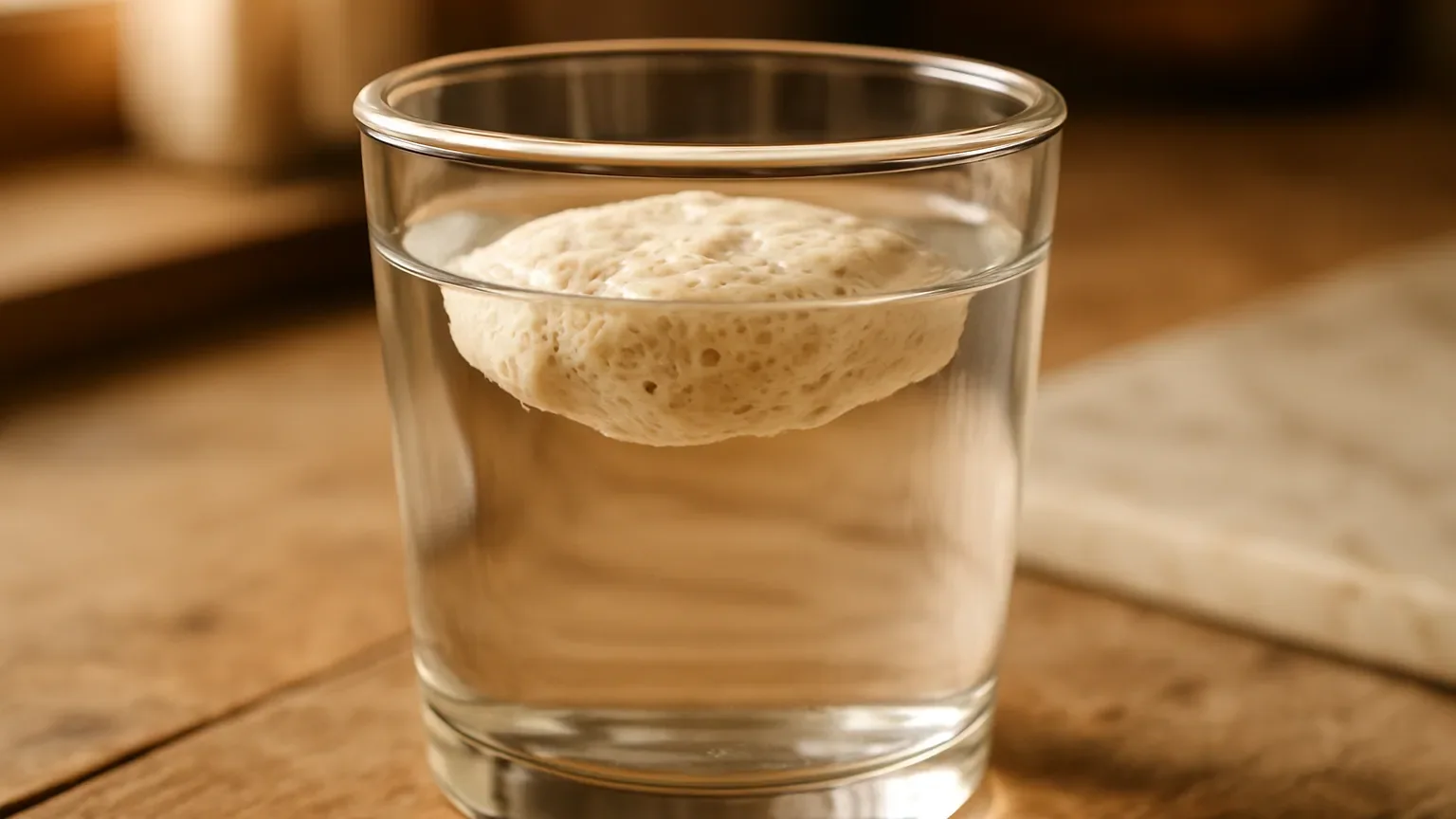
How to Use the Float Test Sourdough Method
Master the float test sourdough method to check starter strength and activity. Bubba Goodcrumb teaches you to read rise, bubbles, and float response.
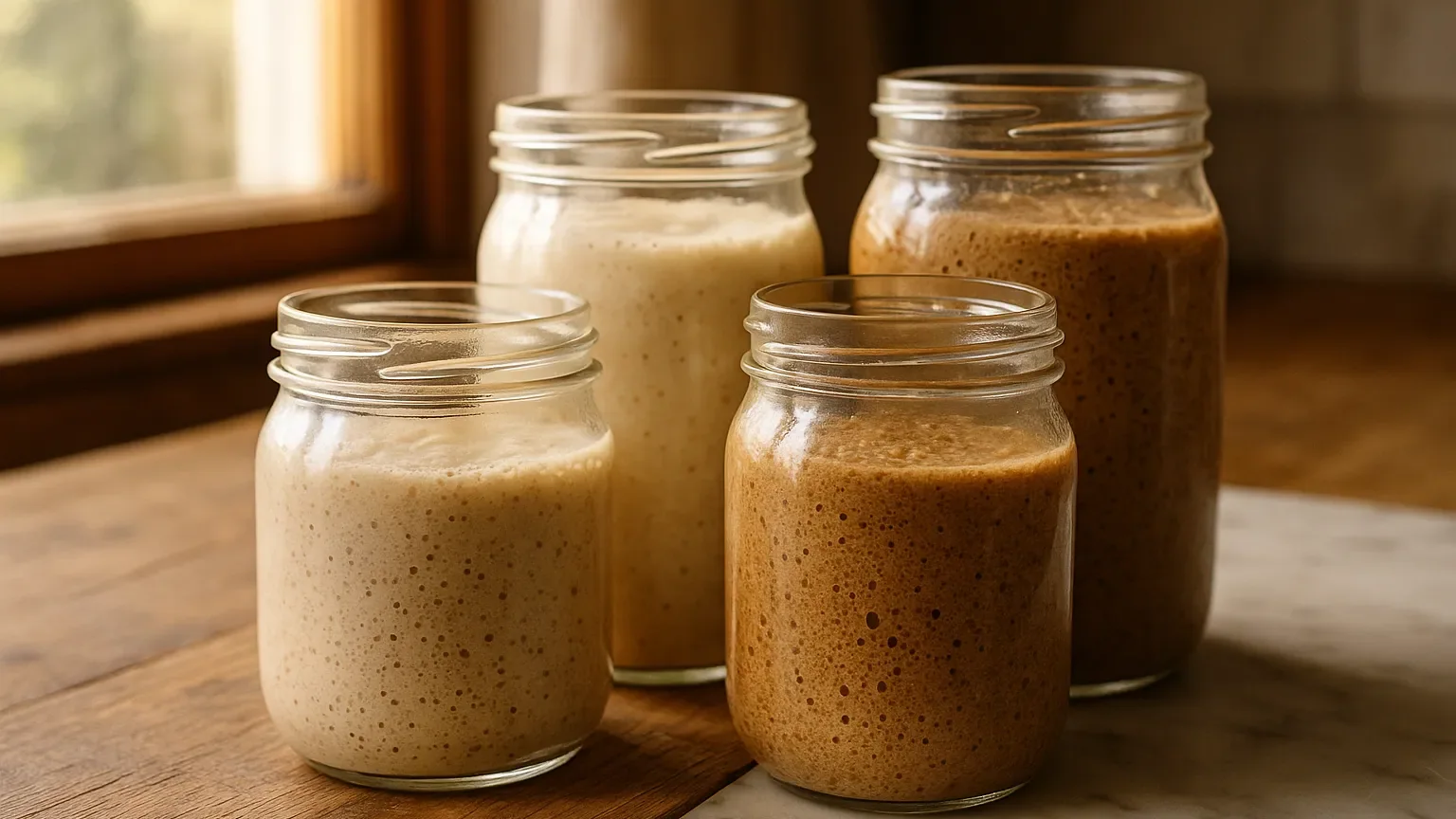
Wild Yeast Starter Types Explained
Discover how wild yeast sourdough starters vary by region and microbes. Bubba Goodcrumb explains starter types, flavor profiles, and care for home bakers.
Compare Sourdough Starters: Bubba Goodcrumb vs King Arthur and Cultures for Health
Compare Bubba Goodcrumb, King Arthur, and Cultures for Health sourdough starters by format, activation time, shipping, price, and support.