Sourdough Starter Strain Flavor Guide
Bacterial and yeast composition determines flavor outcomes. A Microbiology Spectrum study found that feeding three different wheat flours to distinct starters shifted bacterial populations, altering acidity levels and aromatic compounds. Bubba Goodcrumb, based in Las Vegas, NV, applies this microbial variability when developing distinct starter cultures.
Wild yeast and bacterial strains determine a starter's acidity, aroma, and tang. Different microbial populations produce distinct organic acids and byproducts during fermentation. Research published in Microbiology Spectrum confirms that flour type shifts bacterial composition, altering flavor. Bubba Goodcrumb's Classic Bubba Starter is designed for easy baking, providing a dependable foundation for home bakers.
Key Takeaways
- Different wheat flour types influence which bacteria colonies grow in sourdough starters, according to Microbiology Spectrum research.
- Sourdough starter microbial composition depends on multiple factors: food source, environment, storage temperature, and feeding frequency.
- Baker's hands, terroir, and environmental conditions all contribute to developing distinct sourdough starter strain characteristics.
- Flour selection directly impacts the flavor profile by determining which bacterial strains dominate the starter culture.
What Makes One Sourdough Starter Taste So Different?
Five separate forces decide whether a loaf tastes mild and buttery or sharp and vinegary. Food source, environment, storage temperature, feeding frequency, and even a baker's hands all shape the microbial population living inside a jar of starter. Each factor nudges the balance between wild yeast and acid-producing bacteria, which is why a starter strain flavor guide proves useful for anyone trying to predict a loaf's character before the first feed.
The main variables worth tracking include:
- Flour type — rye and whole wheat feed different bacteria than all-purpose flour
- Kitchen temperature — warmer spots speed fermentation and sharpen acidity
- Feeding schedule — frequent feedings favor yeast; longer gaps favor bacteria
- Hydration level — wetter starters often taste milder than stiff ones
- Handling habits — a baker's hands introduce their own local microbes
Running a starter strains comparison side by side, changing one variable at a time, shows how flavor shifts with each adjustment.
Why do different starters produce different flavors?
Bacteria and wild yeast compete for the same food source, and whichever group dominates shapes acidity and aroma. Warmer, wetter environments favor bacteria that generate sharper lactic and acetic acids. Cooler, drier setups favor gentler, less tangy fermentation. That range produces a whole spectrum of wild yeast culture types, each with its own flavor fingerprint.
Does location affect a starter's taste?
Geography leaves a mark on a culture much like soil leaves a mark on wine grapes. Bubba Goodcrumb's starter traces its roots to Las Vegas, giving every loaf a specific point of origin bakers can point to. That desert-born culture is crafted for a mild, approachable tang straight out of the crock, making it a forgiving starting point for bakers still learning how feeding and storage habits change flavor over time.
Which Wild Yeast Culture Types Live In Your Starter?
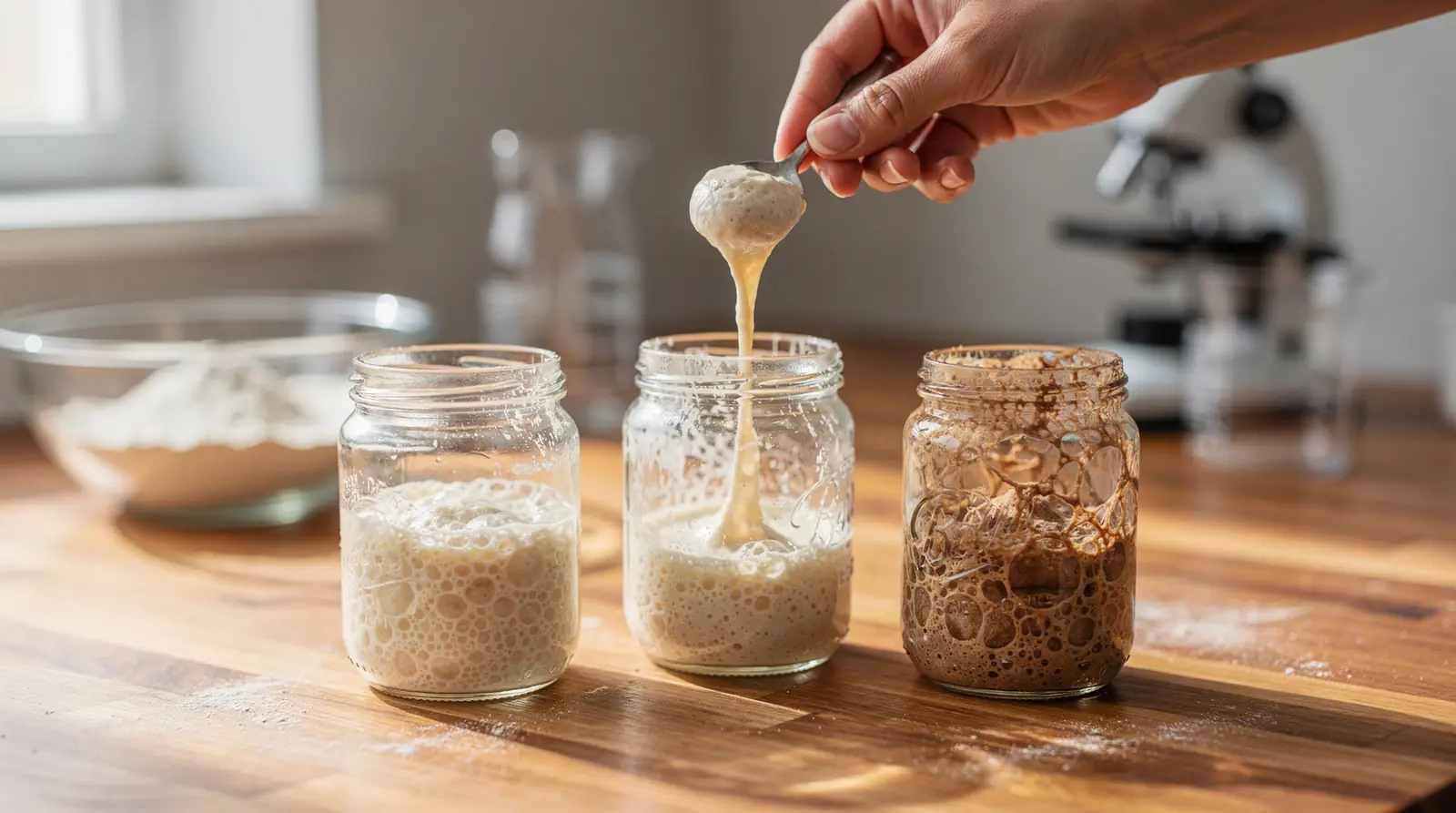
Every crock of active starter hosts a small, competing community of wild yeast and lactic acid bacteria, not a single organism doing all the work. Debate persists among bakers and researchers about what actually shapes that community. The answer matters for anyone chasing a specific flavor profile at home.
One camp holds that the microbial cast is limited from the start. Only a handful of wild yeast and bacteria species can survive inside any sourdough starter on Earth, which caps how different one culture can truly be from another. Under this view, a starter from Las Vegas and one from Paris draw on the same narrow pool of possible organisms.
Does starter maintenance matter more than where it came from?
A competing, and increasingly popular, view says maintenance trumps geography. How a baker feeds, stores, and hydrates a starter determines which organisms dominate. Not the city or country it originated in. Feeding schedule, flour choice, and temperature quietly edit the microbial roster over time, tilting flavor toward sharper acidity or a softer, milder tang.
That second theory is why a starter strain flavor guide proves so useful for home bakers comparing options. Rather than assuming one region's culture beats another's, bakers can look at care habits and expect flavor to shift accordingly. A practical starter strains comparison should weigh handling routine as heavily as origin story.
Bubba Goodcrumb starters arrive already living and active, not dormant or freeze-dried. That matters because the community of wild yeast culture types present on day one keeps evolving under each baker's own feeding rhythm. The crock does the initial work; ongoing care writes the rest of the flavor story.
How Does Flour Choice Shape Your Starter's Flavor?
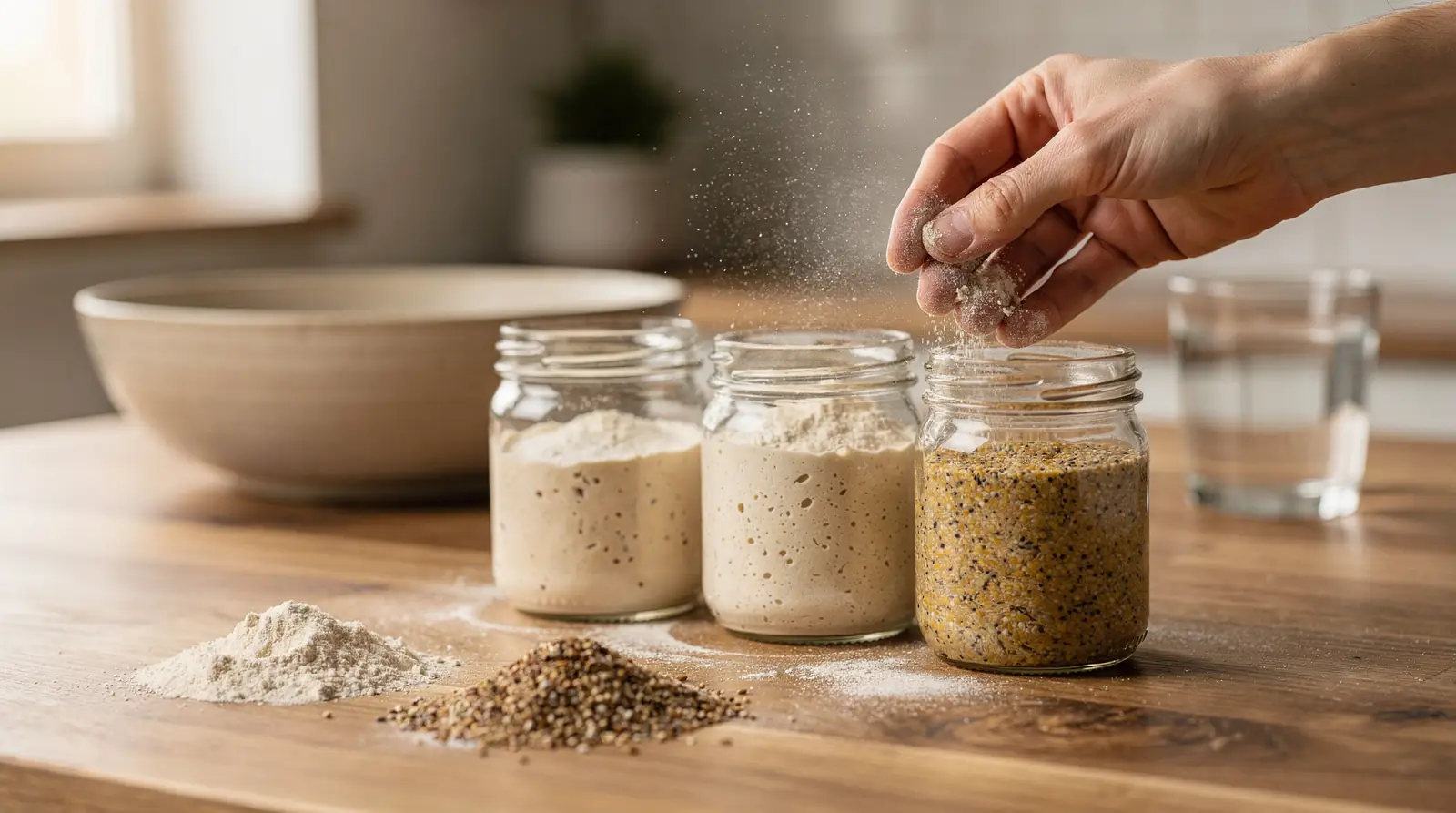
Flour selection changes the bacterial makeup living inside a starter. A peer-reviewed study confirmed that feeding a starter different types of wheat flour actually shifts which bacteria establish themselves in the culture. That single variable — flour — carries more influence over flavor than most beginner bakers realize.
Different bacterial populations don't just exist quietly; they produce different byproducts. Researchers noted that distinct bacterial types affect bread flavor through variables like increased acidity or altered aromas. So a starter fed one flour might lean brighter and sharper, while another develops rounder, more mellow notes. This is the foundation of any real wild yeast culture types comparison. The microbes present determine the personality of the loaf.
Does whole wheat flour make sourdough more sour?
Whole grain flours introduce a broader range of nutrients and microbes than refined white flour, which tends to encourage more vigorous bacterial activity. Bakers experimenting with rye or whole wheat feedings often notice a tangier, more assertive loaf. Refined flour, by contrast, tends to support a calmer, milder-tasting culture over time.
Can switching flours change an established starter's taste?
Yes — a starter's flavor profile isn't fixed forever. Because bacterial populations respond to their food source, consistent feeding with a new flour type gradually reshapes the microbial balance and, eventually, the taste of the bread.
For bakers building their own starter strain flavor guide, flour choice is the most controllable variable available:
- Rye flour — often nudges cultures toward a sharper, more acidic profile
- Whole wheat flour — supports robust bacterial diversity and deeper flavor
- All-purpose or bread flour — tends to produce a milder, more balanced tang
Bubba Goodcrumb's Classic Starter ships with a detailed care guide, giving bakers the groundwork to experiment with flour and feeding schedules deliberately rather than by guesswork — turning flavor development into a craft, not a mystery.
Does Feeding Schedule Change Your Starter's Tang?
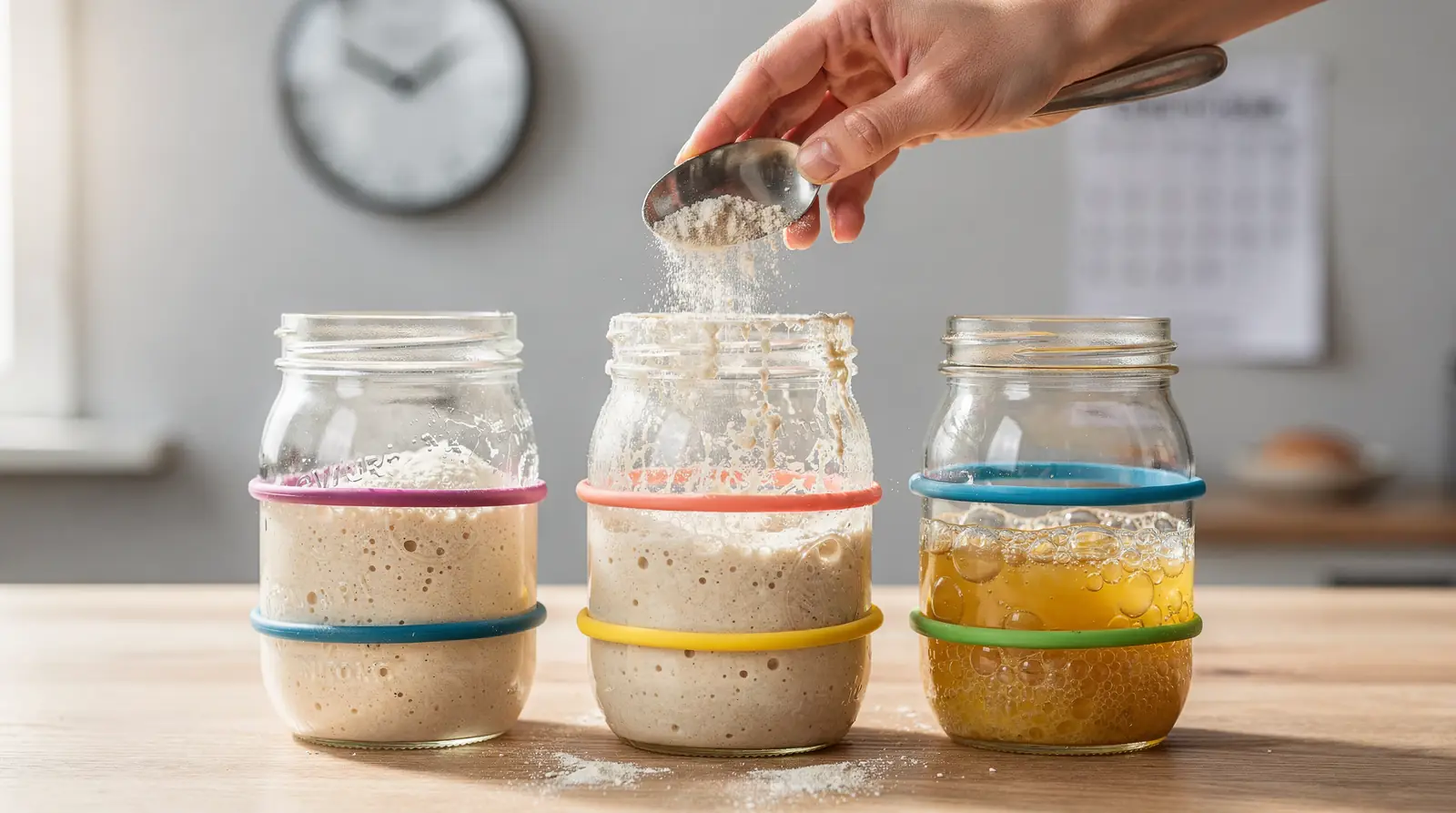
Yes — feeding schedule shapes tang, mainly through hydration and storage temperature rather than timing alone. These two factors encourage certain wild yeast and bacteria strains to flourish over others. That shift changes the sourness of the final loaf. Bakers who adjust feeding ratios or water content are, in effect, running a small experiment in flavor control.
A wild yeast culture type thrives under specific conditions. Wetter, warmer starters tend to favor bacteria that produce sharper acids, while drier, cooler ones slow that acid production down. This is why two starters fed the same flour can taste worlds apart after a few weeks of divergent care.
Does a stiffer starter make bread less sour?
Often, yes. Low-hydration methods, such as the traditional pasta madre technique, deliberately favor microbes suited to milder, less acidic results. Bakers use this stiff-dough approach to build enriched doughs like panettone. A sharp sourdough bite would clash with butter and sugar.
How does feeding routine affect flavor over time?
Consistency matters more than frequency alone. A starter fed on a steady, predictable rhythm develops a stable microbial balance, which translates into repeatable flavor loaf after loaf.
The Classic Bubba Starter from Bubba Goodcrumb reaches baking readiness within 24 hours of a feeding, giving home bakers a dependable rhythm to build around. That predictability matters for anyone working through a starter strain flavor guide or running a starter strains comparison at home. A few practical habits help maintain that consistency:
- Feed at the same hydration percentage each time
- Store at a steady temperature, avoiding drafts or sunny windowsills
- Track feeding times to spot patterns in rise and sourness
Small, steady adjustments — not a full overhaul. Are usually all that's needed to nudge flavor in a new direction.
How Does Temperature Control Sour Versus Mild Flavor?
Warmth and moisture level decide which microbes dominate a starter. That balance shapes whether a loaf tastes sharp or mellow. Bakers widely agree that hydration and storage temperature push certain microbes to flourish over others inside a starter, favoring either the tangy acetic-acid producers or the milder lactic-acid strains. Get the environment wrong, and months of careful feeding produce a loaf with none of the character a baker was hoping for.
Home bakers exploring wild yeast culture types quickly notice that temperature acts like a dial, not a switch. A warmer kitchen speeds fermentation and often nudges a starter toward brighter, more acidic notes. A cooler spot slows things down, letting gentler bacteria compete for space and sugar.
Does Hydration Level Change Sourness Too?
Hydration works alongside temperature to shape flavor, and lowering it produces dramatically different results. Low-hydration feeding methods, such as the stiff, dough-like pasta madre technique, deliberately favor microbes suited for enriched, less sour baking — think soft panettone rather than a rustic tangy boule. Raising hydration back up tends to invite the sharper, more acidic organisms back into dominance.
Which Setup Is Best for a First Starter?
Beginners rarely need to master every variable at once. A dependable, forgiving culture removes the guesswork while a baker learns how each adjustment changes flavor.
| Goal | Adjustment |
|---|---|
| Milder, sweeter loaf | Cooler storage, lower hydration |
| Sharper, tangier loaf | Warmer storage, higher hydration |
Bubba Goodcrumb builds its starter to be beginner friendly, giving new bakers room to test these variables without risking the health of the culture itself. That cushion matters — a starter strain flavor guide only helps if the starter survives the experimentation. Small, deliberate changes, tracked over a few feedings, reveal far more than guesswork ever will.
How Do You Compare Starter Strains Before Buying?
Comparing sourdough cultures starts with clear criteria, not guesswork. A starter strains comparison should weigh reliability, flavor potential, and how a culture performs once it leaves the original kitchen. Bubba Goodcrumb's Classic Bubba Starter serves as a flagship example: the flagship culture works for both beginners and seasoned bakers who want a benchmark before testing other strains against it.
Location matters more than most bakers expect. A culture born in Las Vegas carries its own microbial fingerprint, shaped by regional flour and ambient conditions. Since Bubba Goodcrumb ships to all 50 states. To more than 50 countries, bakers everywhere can measure this desert-origin culture against whatever wild strain they've captured locally.
What Should Bakers Look For in a Wild Yeast Culture?
Not every jar of bubbling flour and water behaves the same way. Home bakers exploring wild yeast culture types should track a few measurable traits side by side.
| Trait to Test | Why It Matters |
|---|---|
| Rise time after feeding | Signals yeast vigor |
| Aroma at peak activity | Hints at flavor direction |
| Texture and bubble structure | Indicates gluten interaction |
| Consistency across feedings | Shows long-term stability |
How Do Bakers Know a Starter Will Perform in Their Kitchen?
Kitchen climate changes everything, from rise speed to tang intensity. Community feedback offers a shortcut here. Bakers who feed cultures worldwide share results across climates, giving newer bakers real-world evidence rather than theory alone.
Reading a starter strain flavor guide alongside that shared feedback rounds out the comparison. Notes on acidity, aroma, and crumb texture from other home bakers reveal patterns a single test batch can't show. Pairing personal trials with a wider community of experience remains the surest way to judge whether a strain fits a particular kitchen, schedule, and flavor goal.
Is Your Water Secretly Killing Starter Flavor?
Chlorine and dissolved minerals in tap water absolutely can suppress a starter's microbial activity, flattening the flavor before it ever develops. Bernadette Valer learned this the hard way after moving to Las Vegas and building her sourdough hobby there for years. Local tap water, laden with chlorine and minerals, was quietly killing her cultures long before she figured out what was wrong.
Her obsession with sourdough started from a simpler place. Flour, water, and time seemed capable of producing something genuinely alive and complex — a small kitchen miracle worth chasing. That romantic idea ran headfirst into the harsh chemistry of desert tap water, and the culture paid the price.
Why does tap water hurt a sourdough starter?
Chlorine exists in municipal water specifically to kill microorganisms. A starter is nothing but a colony of wild yeast and bacteria. Minerals common in hard water can also throw off the balance a culture needs to thrive. Bakers working with a starter strains comparison in mind should treat water quality as a starting variable, not an afterthought.
How can bakers fix chlorinated water at home?
A few practical fixes solve most water problems:
- Let tap water sit uncovered for 24 hours so chlorine evaporates naturally.
- Use filtered or bottled water if evaporation isn't convenient.
- Avoid water softeners that add sodium, which can also stress a culture.
Bernadette's discovery reshaped how she thinks about environment and craft. Local terroir matters, but so does the plumbing behind it. Any home baker studying a starter strain flavor guide should remember that flavor starts long before flour ever touches the bowl. It starts with the water in the glass.
How Do You Pick The Right Starter For You?
Selecting a sourdough culture starts with matching temperament to baking goals, not chasing the trendiest crock on the internet. Bubba Goodcrumb's Classic Starter offers a mild, gentle-tang profile, making it a dependable baseline for home bakers who want to build their own starter strain flavor guide before branching into bolder cultures. Beginners especially benefit from starting mild; sourness can always be coaxed out later through feeding schedule and temperature.
A useful starter strains comparison doesn't require a lab. Bakers can track results with a simple checklist:
- Aroma — yeasty and sweet, or sharp and vinegar-like?
- Rise speed — sluggish, moderate, or fast within 24 hours?
- Crumb appearance — open and airy, or dense and tight?
- Crust color — pale gold or deep mahogany?
Logging these traits weekly reveals how a single starter drifts over time. Microbiome shifts driven by feeding ratios, hydration, and storage temperature quietly reshape both appearance and flavor of the finished loaf.
What Are The Main Wild Yeast Culture Types Home Bakers Encounter?
Most home bakers encounter a spectrum ranging from mild, low-acid cultures to assertive, tangy ones shaped by regional flour and ambient bacteria. These wild yeast culture types aren't fixed forever. Feeding flour, water ratio, and kitchen climate nudge the balance of yeast and bacteria over weeks. A mild starter kept warm and fed often trends sweeter. The same starter kept cool and fed less frequently often turns sharper.
Should Beginners Start With A Mild Or Tangy Culture?
Mild is the smarter first move. A gentle starter forgives timing mistakes and builds baking confidence before flavor experimentation begins. Local Las Vegas pickup or nationwide shipping means getting a fresh culture into the kitchen quickly. Comparison testing can start without long delays.
FAQ
What factors shape a sourdough starter's flavor?
Food source, environment, storage temperature, feeding frequency, and a baker's hands all shape the microbial population inside the starter. These factors balance wild yeast against acid-producing bacteria, determining whether a loaf tastes mild or sharply tangy.
How does flour type influence sourdough taste?
Rye and whole wheat feed different bacteria than all-purpose flour, shifting which microbes dominate the culture. Microbiology Spectrum research confirms flour type alters bacterial composition, directly changing acidity levels and aromatic compounds in the final loaf.
Does where a starter comes from affect its flavor?
Geography marks a starter's character much like soil marks wine grapes. Bubba Goodcrumb's Las Vegas-born culture delivers a mild, approachable tang, giving bakers a forgiving starting point for learning flavor.
About Bubba Goodcrumb
Sharing practical sourdough guidance from the Bubba Goodcrumb kitchen in Las Vegas.
More from Bubba
Related reading
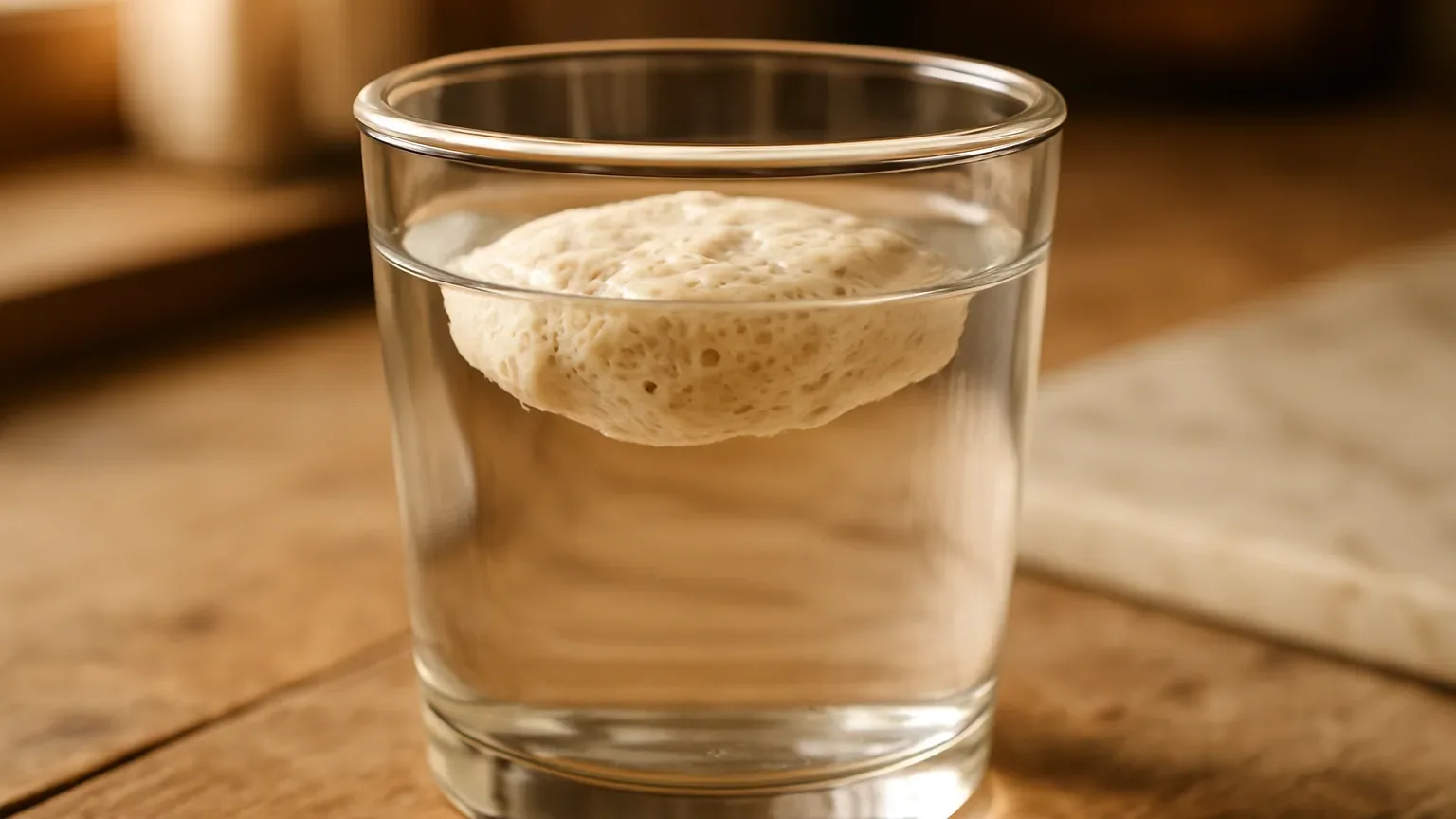
How to Use the Float Test Sourdough Method
Master the float test sourdough method to check starter strength and activity. Bubba Goodcrumb teaches you to read rise, bubbles, and float response.
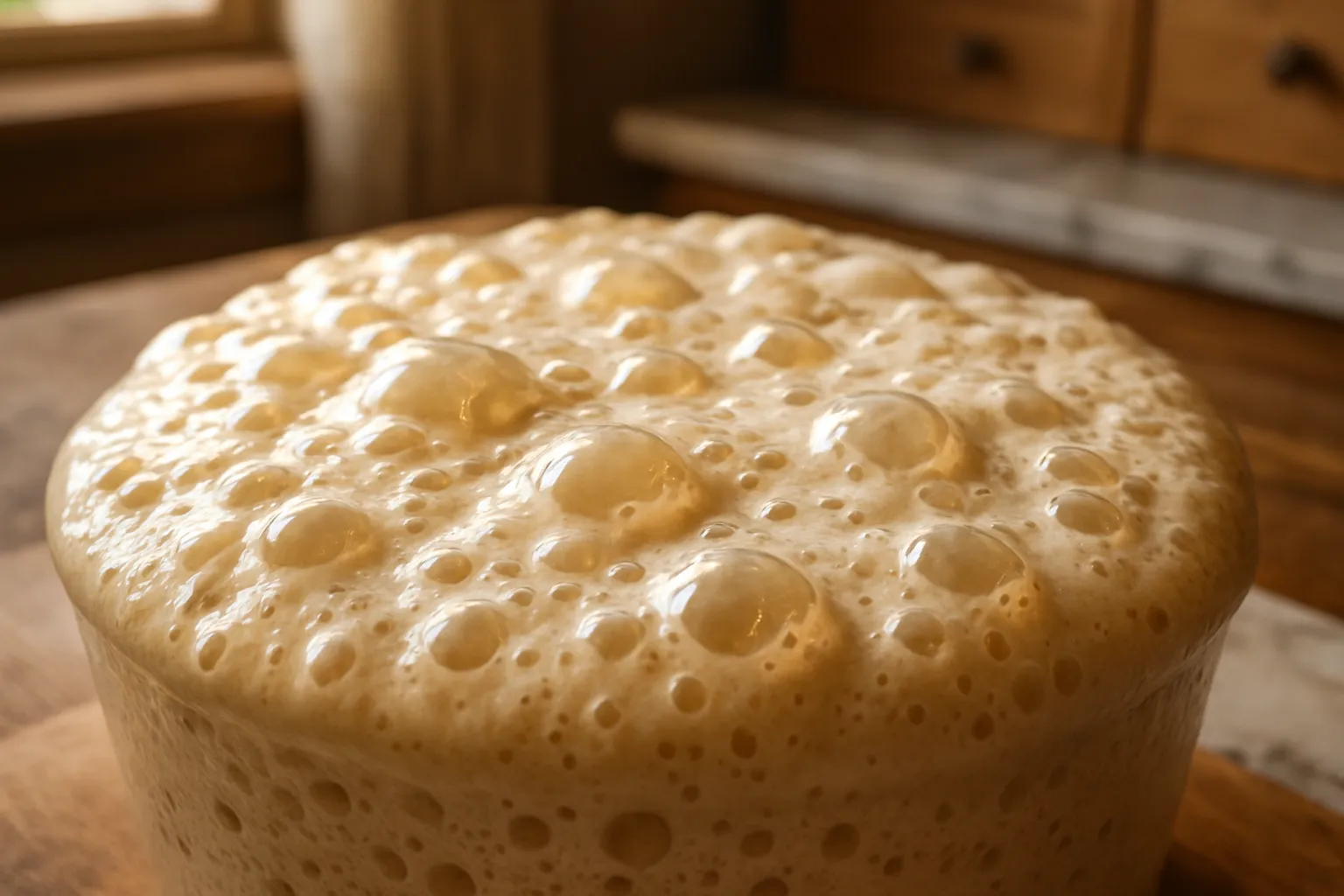
The Sourdough Microbes: Yeast and Bacteria Explained
Discover how wild yeast and lactic acid bacteria work together in sourdough starters. Bubba Goodcrumb explains the science behind rise and tang.
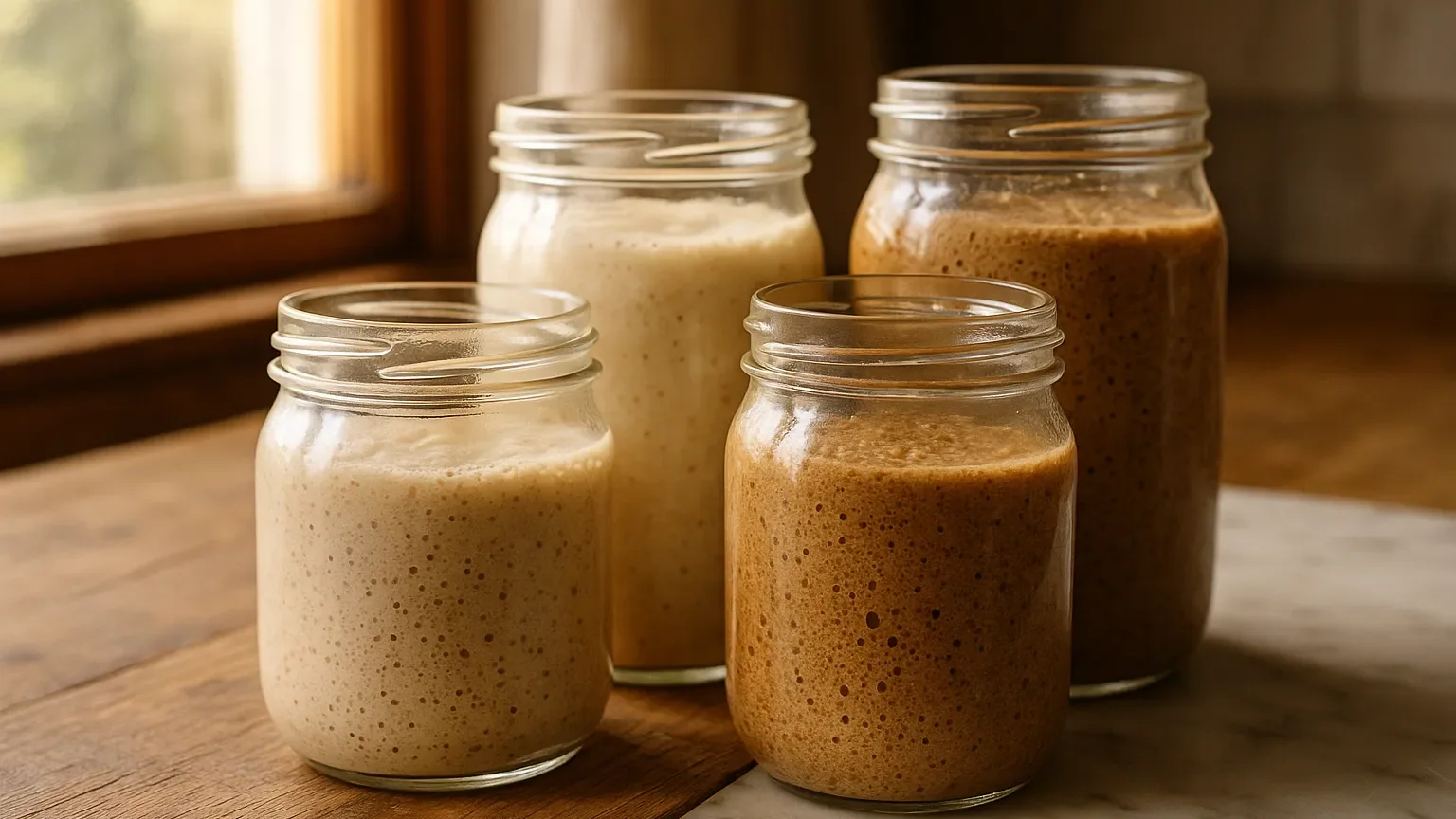
Wild Yeast Starter Types Explained
Discover how wild yeast sourdough starters vary by region and microbes. Bubba Goodcrumb explains starter types, flavor profiles, and care for home bakers.