Revive Sourdough Starter: How to Revive a Dormant Sourdough Starter
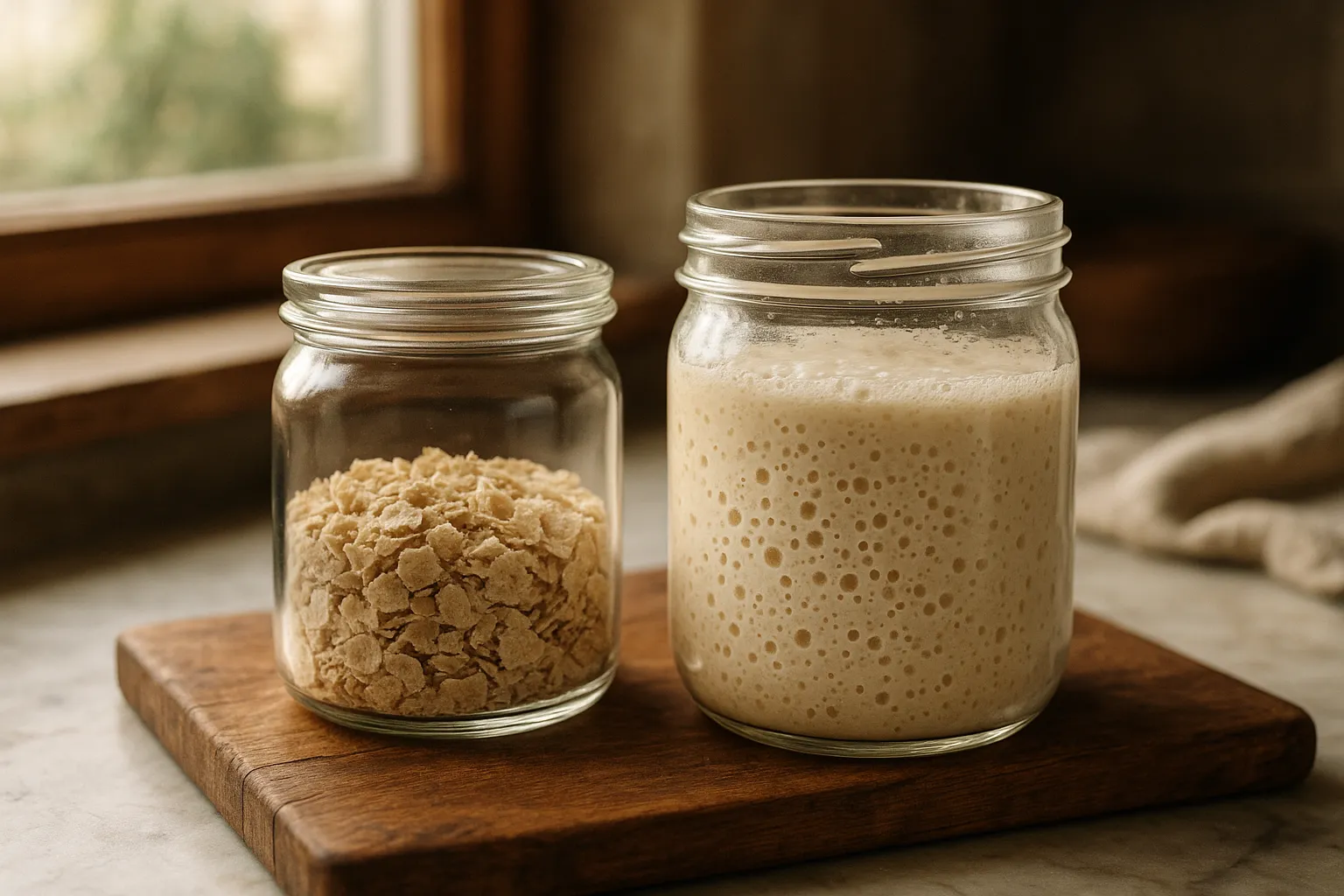
Dormant sourdough starters, unless visibly moldy, can often revive. To revive sourdough starter, discard most of the starter, feed with equal parts flour and water, and repeat every 12 hours at room temperature. Bubba Goodcrumb's Classic Bubba Starter reaches bake-ready activity within 24 hours of a proper feeding, signaling healthy wild yeast and bacteria have returned.
Key Takeaways
Dormant sourdough starters revive through regular feeding cycles over several days to restore activity.
Feed your starter daily with equal parts flour, water, and existing starter for 3-5 days.
A healthy revived starter doubles in size within 4-8 hours after feeding consistently.
Bubba Goodcrumb in Las Vegas, NV offers sourdough baking resources for beginner bakers.
Is Your Dormant Starter Really Dead?
Mold marks the only true point of no return for a neglected starter. Short of that, a jar of gray liquid and apartment, sad flour paste almost always has life left in it. Home bakers panic at the sight of hooch pooling on top or a crust forming around the edges, but that appearance rarely signals death.
Sourdough cultures are tougher than most bakers assume. Wild yeast and lactic acid bacteria evolved to survive drought, cold, and neglect. A few weeks in the back of a fridge barely registers as a threat. That resilience is exactly why so many "dead" starters bounce back within a couple of feedings.
How can bakers tell if a starter has actually gone bad?
Visible mold is the deciding factor. Fuzzy spots in blue, black, pink, or orange mean the jar's contents need to go in the trash. Gray hooch, a sour smell, or a layer of dark liquid, on the other hand, are normal signs of a hungry culture, not a dead one.
Why do starters survive such long neglect?
The bacteria and yeast that make up a starter simply slow down when food runs low; they don't disappear. This dormancy is a survival strategy, not decay. That's part of why a starter revival steps approach so often works, even after months of silence.
Before assuming the worst, bakers should check for:
Fuzzy or colored mold growth
A smell that's rotten or putrid, not just sour
Any pink or orange discoloration in the liquid
Choosing a resilient culture from the start, like Bubba Goodcrumb's mild, gentle-tang classic starter, makes the eventual revive sourdough starter process even smoother for anyone returning after a break.
What Do You Need Before Reviving It?
A handful of simple supplies determine whether a neglected jar bounces back or ends up in the trash. Skipping preparation wastes flour, wastes days of feeding cycles, and risks another failed attempt at bread. Home bakers who gather the right tools first save themselves frustration later.
Before any home baker attempts to revive a sourdough starter, the following items belong on the counter:
A clean glass jar (the original container often carries stale residue)
Unbleached all-purpose or whole wheat flour
Filtered or dechlorinated water, room temperature
A kitchen scale for consistent feeding ratios
A rubber band or marker to track rise
A care guide with step-by-step feeding instructions
Bubba Goodcrumb builds that last item directly into its process. Every dehydrated culture shipped from its Las Vegas, NV kitchen arrives with a detailed care guide, written specifically to support starter revival steps for bakers unsure where to begin. That guide removes guesswork from an already nerve-wracking moment.
Does a dormant starter need special equipment to come back to life?
No specialized equipment is required to reactivate a dormant starter. A jar, flour, water, and patience handle most revivals. The process stays approachable enough for first-time bakers, since Bubba Goodcrumb crafts its cultures with beginner-friendly handling in mind.
Can a starter be revived without prior sourdough experience?
Yes. Because dried cultures from Bubba Goodcrumb reactivate for a home kitchen once fed and warmed properly, even bakers with zero fermentation background can follow the included guide and bring a sluggish starter back to active, bubbly life.
How Do You Assess Starter Before Feeding?
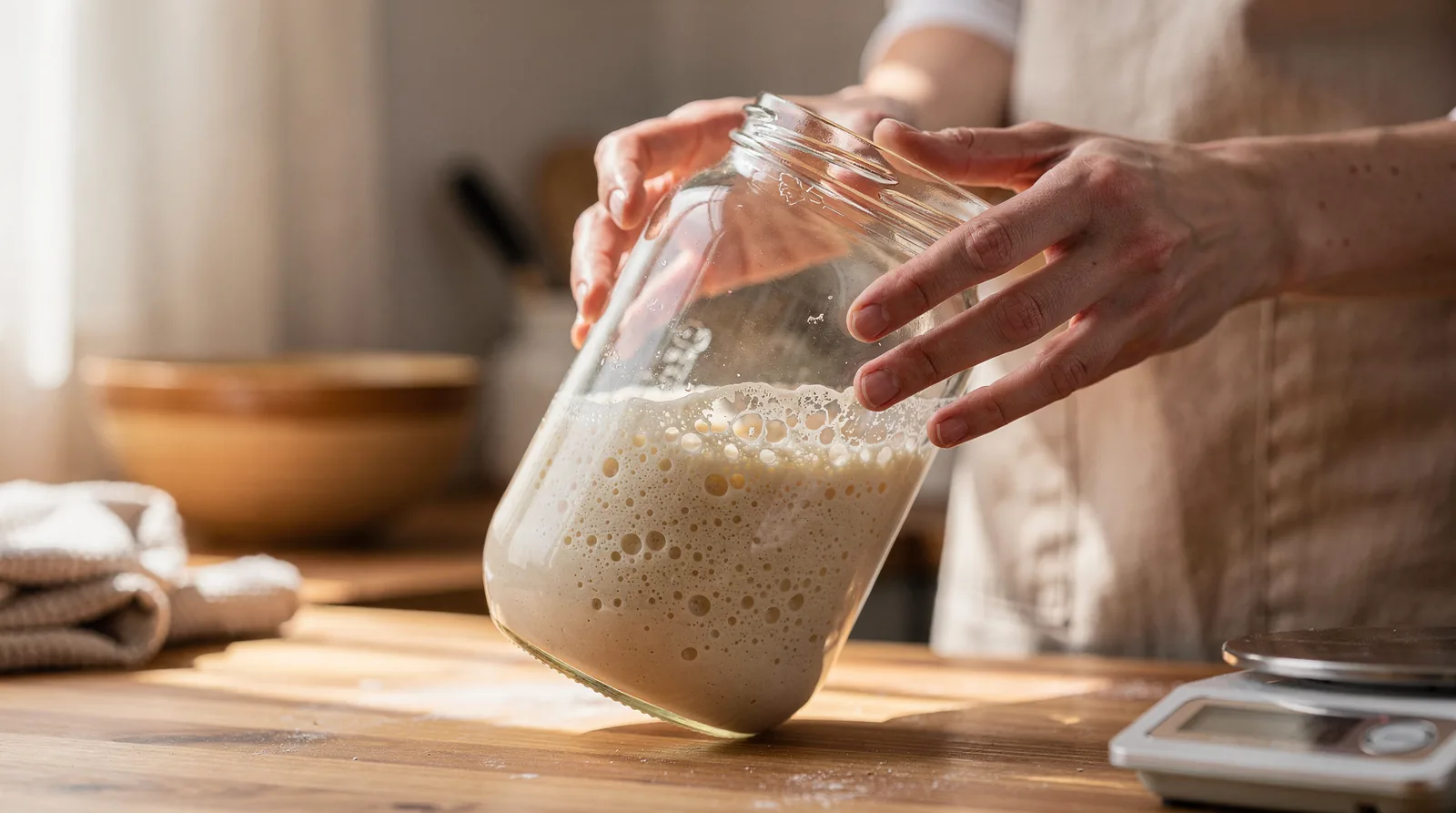
Assessment starts with the senses, not a feeding schedule. A home baker checks color, smell, and liquid separation before deciding whether to revive sourdough starter cultures or start fresh. Panic sets in fast. Countless bakers have muttered some version of "I think I killed my starter" after finding a neglected jar in the fridge. That worry runs through millions of sourdough kitchens, usually after weeks without a feeding.
The good news: killing a starter through simple neglect is genuinely hard to do. A dormant culture can look discouraging: gray liquid on top, a apartment surface, a sharp smell. And still be very much alive underneath.
Is Gray Liquid a Bad Sign?
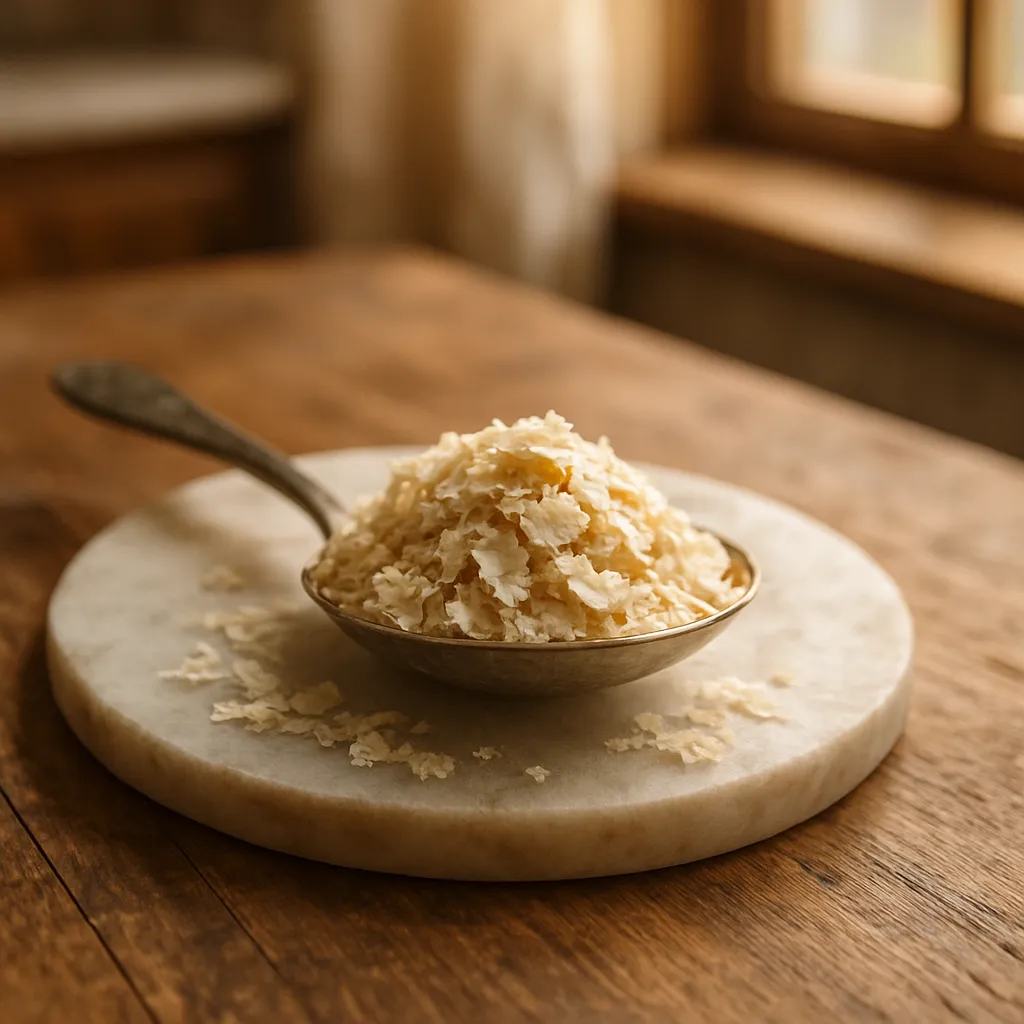
Gray or brownish liquid, often called hooch, signals hunger rather than death. It forms when the yeast runs out of food and starts producing alcohol as a byproduct. Pouring it off and moving straight into starter revival steps is usually enough to bring the culture back.
Before deciding on next steps, run through a quick checklist:
Look for fuzzy mold in blue, green, or pink: this is the one true dealbreaker.
Smell the starter; sour, boozy, or cheesy odors are normal signs of a hungry culture.
Note the texture: apartment and watery simply means it needs food, not a funeral.
Check for any lingering bubbles, which hint that wild yeast is still active below the surface.
Once mold is ruled out, the next move is feeding and watching for the rise. Bakers working to reactivate dormant starter cultures should expect that gentle tang to return within a few feeding cycles, a reliable sign that fermentation is back on track.
How to Revive Sourdough Starter: A Step-by-Step Guide
Starter revival begins with an honest inspection, not a feeding. A neglected jar deserves a quick check for mold, an off smell, or a layer of liquid before any flour touches it. Because Bubba Goodcrumb cultures are live cultures preserved in dried, dormant form, the ability to reactivate a dormant starter stays intact long after the last feeding, even when the jar has sat forgotten for weeks. That built-in resilience is exactly why crafted cultures earn a second chance rather than a trip to the trash.
The following starter revival steps follow the order most bakers need, from first look to first rise:
Smell and inspect the starter for mold, pink or orange streaks, or a strong alcohol-like odor.
Discard any surface liquid, known as hooch, along with roughly half the starter to lighten the load.
Feed with equal parts flour and water, stirring until smooth.
Set the jar somewhere warm and let the culture rest for 12 to 24 hours.
Watch for bubbles and a rise in volume before feeding again.
Repeat feedings once or twice daily until the starter doubles reliably.
Each Bubba Goodcrumb culture ships with a detailed care guide. That guide spells out exactly this feeding rhythm so bakers aren't left guessing at ratios or timing.
How long does starter revival actually take?
Most dormant starters show real activity within one to three feedings. Once regular feeding resumes, a Bubba Goodcrumb culture can be ready to bake within 24 hours. The crafted cultures are built to bounce back quickly rather than limp along for weeks.
What if the starter still looks weak after several feedings?
Slow bubbling after multiple feedings usually points to temperature, not a dead culture. Moving the jar to a warmer spot, around 75 to 80 degrees, often speeds up recovery. Patience matters here; a sluggish starter is still a living one. Consistent feeding almost always coaxes it back to full strength.
How Long Until Your Starter Reactivates?
Twenty-four hours marks the typical window for a neglected starter to return to a bake-ready state, provided the feeding stays consistent. That timeline holds true even for cultures that spent weeks or months untouched in the back of a fridge. Sourdough cultures earn a reputation as stubbornly resilient organisms, which means a long stretch of dormancy rarely spells the end. This resilience gives home bakers real breathing room during the process of learning how to revive a sourdough starter without panic.
Patience matters more than speed during the first few feedings. A starter waking from dormancy often looks sluggish at first, then gains momentum as wild yeast and bacteria populations rebuild. The included care guide walks bakers through pacing each feeding, so the schedule doesn't get rushed or skipped. Following that guide closely turns a guessing game into a predictable, repeatable process.
How many feedings does it take to reactivate a dormant starter?
Most home bakers see noticeable bubbling and rise within one to a few feedings once a regular schedule resumes. The exact count depends on how long the starter sat dormant and how consistently the feedings continue. A starter that's been ignored for months may simply need a couple of extra rounds before it shows the same vigor as before.
Is a slow starter still working?
A sluggish starter is not a failed one. Slow activity often signals that the population of wild yeast is still rebuilding after dormancy, not that the culture has died. As long as the following signs appear, revival is on track:
Bubbling on the surface or throughout the starter
A rise in volume after feeding
A tangy, yeasty smell rather than anything foul
Sticking with reactivating a dormant starter through steady feedings, rather than starting over, saves both the culture and the baker's time.
How Do You Test If It's Ready?
Bubbles and a mild sour aroma tell the real story of readiness. A baker checking whether starter revival steps have worked should look for visible bubbling paired with a gentle tang, not a sharp vinegar smell. That combination signals healthy, active fermentation; the wild yeast and bacteria are feeding, multiplying, and producing gas.
Texture matters too. A truly revived culture behaves like a live starter prepared for kitchen use: puffy, slightly domed, and loose enough to fold over itself. Bakers who reactivate a dormant starter successfully will notice the same lively jiggle that shows up in a freshly fed, well-established culture. A apartment, dense paste with no movement after several hours means fermentation hasn't restarted yet.
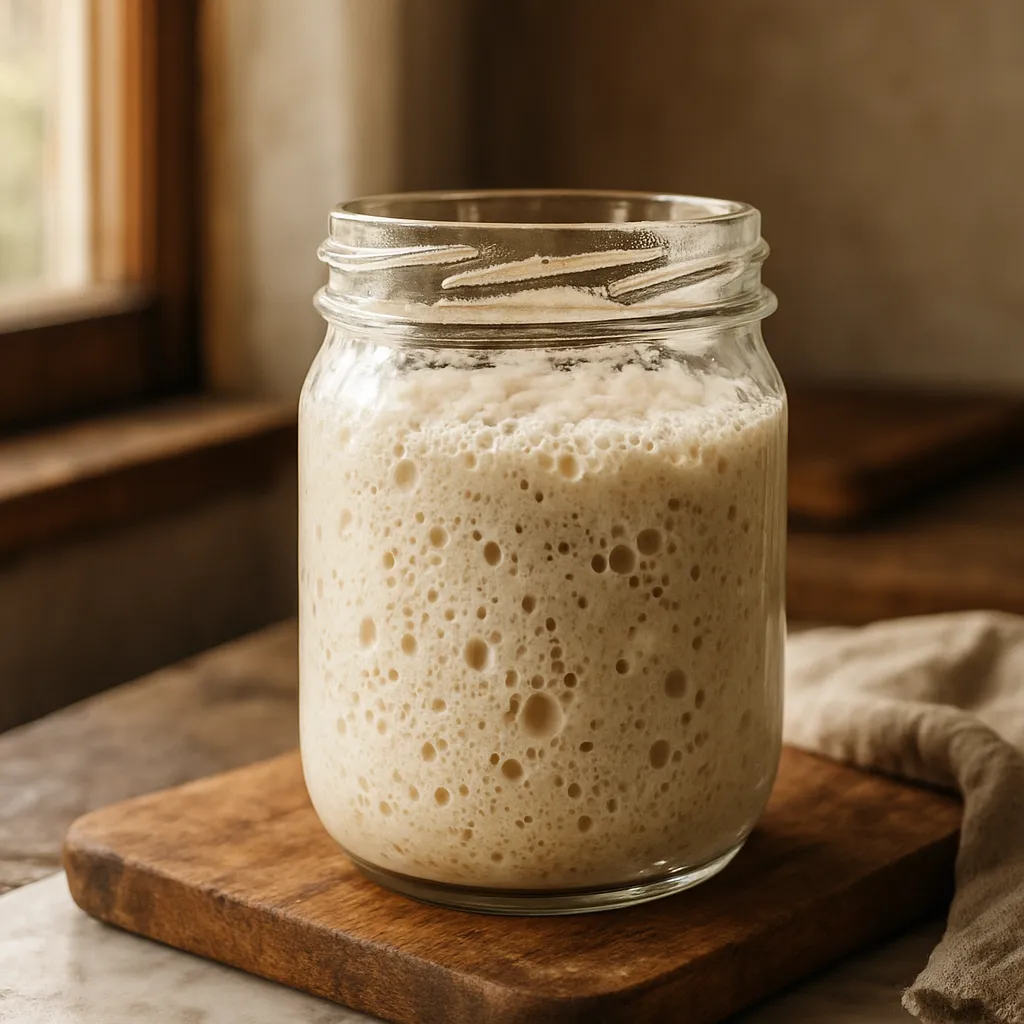
Signs of a Ready Starter
Bubbles across the surface and along the jar's sides
A gentle, pleasant tang instead of harsh alcohol or acetone notes
Noticeable rise in volume within hours of feeding
A soft, airy texture when stirred
Does a dark liquid layer mean the starter is ruined?
No. A thick, dark liquid pooling on top, often called hooch, does not automatically mean the starter has failed. That liquid simply signals hunger, not death. Draining it off and feeding the culture usually brings activity right back within a day or two.
How long should the readiness test take?
Patience matters more than speed here. Feed the starter, then watch it over several hours rather than checking every few minutes. A culture that bubbles, rises, and smells pleasantly sour has passed the test and stands ready for a loaf. One that stays apartment and silent needs another feeding cycle before baking begins.
What If Revival Isn’t Working?
A stalled starter almost never means a dead starter. Visible mold stands as the one clear signal that a culture cannot be saved. Without it, revival remains possible, even after weeks of neglect. Bakers who assume the worst usually discover the opposite once they slow down and troubleshoot.
Is my sourdough starter actually dead?
Rarely. Sourdough cultures are remarkably resilient, and a starter turning fully bad is uncommon even after long fridge stints. Dark liquid, a sharp smell, or a apartment surface signal hunger, not death. Mold, fuzzy, colored, or spotted growth, is the only sign that calls for starting over.
When bubbling stays weak after a few feeding cycles, work through these checks before giving up:
Confirm no mold is present on the surface or sides of the jar.
Discard all but a small portion of the starter and feed with fresh flour and water.
Move the jar to a warmer spot, ideally between 75 and 80°F.
Repeat feedings every 12 hours and watch for rising activity.
Compare each feeding's rise time to the one before it; improvement, even slight, means the culture is recovering.
Choosing a beginner-friendly culture from the start makes these troubleshooting steps far less stressful. A beginner-friendly starter comes ready for home bakers who don't. Know every warning sign, cutting down on guesswork during a slow revival.
What should I check if feedings still aren't working?
Pair the checklist above with written guidance made for exactly this moment. A detailed care guide included with a live culture walks through troubleshooting instructions for stalled revivals, covering timing, temperature, and feeding ratios step by step. Following that guide alongside patient, consistent feedings resolves the vast majority of sluggish starters. No jar deserves the trash can before mold actually appears.
When Should You Start a New Starter?
Total failure almost never happens, so a new culture is rarely mandatory even after months of neglect. Mold on the surface, a persistent pink or orange tinge, or a smell closer to nail polish remover than yogurt are the real signals worth heeding. Short of those warning signs, a starter that looks apartment, gray, or watery can usually still come back to life with patience and a few solid feedings.
Is it ever better to just buy a fresh culture?
Sometimes convenience wins over patience, especially for bakers who don't want to spend a week coaxing a sluggish jar back to health. For those cases, ordering a new live culture skips the guesswork entirely. Bubba Goodcrumb ships dehydrated, shelf-stable starter cultures nationwide, so a fresh culture arrives ready to reactivate at home over several days of feeding. Because the culture ships dried and dormant, it survives transit with no refrigeration and wakes up on the counter with the included care guide.
Bakers weighing the decision might consider a few factors:
- Time available: reviving a dormant culture can take several days of feedings; a fresh order arrives ready to activate.
- Confidence in smell and appearance: no mold, no off odors, and normal discoloration usually mean revival is worth the effort.
- Desire for a clean start: some bakers simply prefer beginning with a known, well-documented culture rather than guessing at an old jar's history.
No matter where a baker lives, each nationwide order arrives with a detailed care guide, connecting home bakers directly to the source of their starter.
Reviving a dormant starter rewards patience and consistency, two qualities that define the sourdough craft itself. Your starter's resilience mirrors the wild yeast. Bacteria thriving within it, ready to awaken and transform simple flour and water into something extraordinary. By understanding the science behind fermentation and committing to regular feedings, you've unlocked the gateway to authentic, flavorful bread. Welcome back to the sourdough journey; your starter has been waiting for you.
FAQ
Is a dormant sourdough starter actually dead?
No. Mold is the only true sign of death. Gray hooch, sour smells, or a crust simply mean the culture is hungry and dormant, not dead.
How often should bakers feed a dormant starter to revive it?
Discard most of the starter and feed equal parts flour and water every 12 hours at room temperature. Bubba Goodcrumb's Classic Bubba Starter reaches bake-ready activity within 24 hours of proper feeding.
What supplies do bakers need before reviving a starter?
Gather a clean glass jar, unbleached flour, filtered room-temperature water, a kitchen scale, a rubber band or marker, and a care guide. Bubba Goodcrumb ships every culture from Las Vegas, NV with a detailed care guide included.
About Bubba Goodcrumb
Sharing practical sourdough guidance from the Bubba Goodcrumb kitchen in Las Vegas.
More from Bubba
Related reading
How to Convert Yeast to Sourdough
Replace commercial yeast with sourdough starter using Bubba Goodcrumb's simple conversion formula. Adjust hydration, extend rise times, and bake with wild.
How to Revive Sourdough Starter Quickly
Revive a dormant sourdough starter in 3-5 days with consistent daily feedings. Bubba Goodcrumb shows how to rescue neglected starters and get them baking again.
Starter Hydration Levels and Their Effects
Learn how sourdough starter hydration ratios affect fermentation speed and flavor. Bubba Goodcrumb explains the science behind water-to-flour balance for home.